Wild Sounds: Kākāpō Files II
The Kākāpō Files podcast returns with coverage of what promises to be the biggest breeding season ever for the world's favorite parrot. Monthly episodes begin in late May 2026.
Episodes

Kākāpō Files II 20 | Kākāpō Numbers Soar
The biggest kākāpō season on record has come to an end, with a bumper number of chicks reaching the milestone of 150 days old. The 90 chicks have boosted the kākāpō population from 235 birds to 325, an increase of more than a third. The 2026 season saw 48 kākāpō mums produce living chicks, fathered by 32 dads. The ‘top dad’ was 10-year Tūterangi, breeding for the first time, who fathered 10 chicks
Kākāpō Files II 19 | Kākāpō Goings On
The oldest chick of the 2026 kākāpō breeding season, Tiwhiri-A1 has reached 150 days old and can be officially counted. This milestone increases the kākāpō population by one bird to 236, the first time it has risen in 4 years. The first chicks to reach independence are roosting away from their mums and feeding themselves, and two chicks have dropped their transmitters and are now “off-grid”. With

Kākāpō Files II 18 | Good Kākāpō Things Take Time
Six months after this record-breaking kākāpō breeding season began, all 91 living chicks have fledged and left the nest. The chicks remain with their kākāpō mums and are still being fed by them, as well as eating a range of plant material, and as cold wet midwinter weather sets in the chicks are learning to find dry roost sites. The Kākāpō Team’s Daryl Eason and Andrew Digby answer listener questi

Kākāpō Files II 17 | Kākāpō Adoption Birds
Half of the chicks from this record-breaking kākāpō breeding season have fledged and left their nests for good, but are still being fed by their mums. The tally of living chicks has dropped to 92 with the death of a chick from Te Kākahu/Chalky Island. Veterinary advisor Lydia Uddstrom reports that a 4-year-old female is being treated for cloacitis, a mysterious infection with no known cause that h
Kākāpō Files II 16 | Kākāpō Chicks Growing Up
The tally of confirmed living kākāpō chicks goes down with two further deaths, but gets a welcome boost with the confirmation of a living chick in a previously inaccessible nest. This brings the number of living chicks to 93, ranging in weight from 770 grams to nearly 2.5 kilograms. On all three kākāpō breeding islands, the oldest kākāpō chicks are fledging and leaving their nests. They are still
Kākāpō Files II 15 | Kākāpō Island Diary
Alison Ballance spends a week on Whenua Hou/Codfish Island, one of three kākāpō breeding islands. She follows rangers from DOC’s Kākāpō Recovery Programme as they go about their daily and nightly nest visits to check on the rapidly growing chicks. All but one of the 23 nests on Whenua Hou have just a single chick, as the rimu fruit has failed to ripen and kākāpō mums are relying on supplementary f
Kākāpō Files II 14 | Biggest Kākāpō Breeding Season
DOC’s Kākāpō Recovery Programme says that the 2026 kākāpō breeding season is officially the biggest on record, and that all chicks have now hatched. At least 256 eggs were laid in 80 nests, of which at least 106 hatched. There are currently 99 chicks alive, three of which are being treated at the Dunedin Wildlife Hospital for various health problems. The oldest chick, Tīwhiri-A1-2026, is 46-days o
Kākāpō Files II 13 | Kākāpō Birth Notices
DOC’s Kākāpō Recovery Programme is thrilled to announce the births of 101 kākāpō chicks, with a few more fertile eggs expected to hatch over the next few days. However, kākāpō conservation is a roller-coaster and seven chicks have died from illness or injury. Auckland Zoo vet Adam Naylor resuscitated one small chick using CPR and timely sutures saved the life of another; both patients recovered we
Kākāpō Files II 12 | Lots of Kākāpō Babies
The number of kākāpō chicks has climbed to 54, with plenty more fertile eggs still to hatch on Whenua Hou and Pukenui/Anchor Island. Remote monitoring technology shows that seven kākāpō mums on Te Kakahu/Chalky Island are likely raising chicks as well. DOC’s Kākāpō Recovery Programme is using a genetic ranking system to prioritise how much management attention each chick receives – Kākāpō Cam star
Kākāpō Files II 11 | Kākāpō Baby Boom
Fourteen kākāpō chicks have hatched in wild nests, where they are being cared for by mums and foster mums. More than a hundred viable fertile eggs have already been laid, with more expected in the next couple of weeks. On Whenua Hou, fertile eggs are cared for in incubators to keep them safe and are returned to nests to hatch. DOC’s Kākāpō Recovery Programme has placed a Smart Egg in the nest of K
Kākāpō Files II 10 | The First Chick
The first chick of the 2026 kākāpō breeding season has successfully hatched on Pukenui/Anchor Island. DOC’s Kākāpō Recovery Programme reports that Tiwhiri-A1-2026 hatched in foster mother Yasmine’s nest on 14 February 2026 and is the first kākāpō chick in four years. Huhū-A1-2026 is due to hatch on Whenua Hou imminently. Sixty-two kākāpō nests have been found so far and the egg tally is nearly 200
Kākāpō Files II 09 | Nesting Time
Almost 90% of adult female kākāpō of breeding age have mated so far this breeding season, and two thirds of those are nesting. Some birds have already laid a full clutch of eggs and while some clutches are 100% fertile, others are - as expected - unfortunately infertile. To date there are 55 fertile kākāpō eggs, and that number grows daily as kākāpō rangers find nests and are able to check the dev
Kākāpō Files II 08 | Peak Breeding
More than three-quarters of female kākāpō of breeding age have mated so far, and the number of nests is growing rapidly. Kākāpō operations manager Deidre Vercoe tells Alison Ballance that 101 eggs have been laid to date, and while it is early days 38 eggs are known to be fertile. As always, infertile eggs are a major problem, although science advisor Andrew Digby explains that recent research show
Kākāpō Files II 07 | Full Steam Ahead
The 2026 kākāpō breeding season is all systems go: nearly half of the females of breeding age have mated and so far 15 females are nesting. Technical Advisor Daryl Eason talks about record-breaking female Ongaonga who, at 4 years-old, is the youngest female kākāpō ever to breed. There are plenty of other first-time breeders as well. Six females were successfully inseminated with sperm from under-r
Kākāpō Files II 06 | Kākāpō Action Heating Up
There have been 24 kākāpō matings so far, and the number is increasing as mating action heats up on all three breeding islands. Deidre Vercoe, from the Kākāpō Recovery Programme, tells Alison Ballance that some 7-year-old birds from the 2019 breeding season have mated for the first time. The first female to mate this season, Pearl, has laid infertile eggs, but nightly activity monitoring shows tha
Kākāpō Files II 05 | The First Nest
Early bird Pearl has laid the first eggs of the 2026 kākāpō breeding season but Kākāpō Recovery Programme science advisor Andrew Digby tells Alison Ballance that it’s too soon to know if they are fertile. Youngsters Huhū and Hondy are the third pair to mate on Whenua Hou, and Heather and Bluster Murphy are the fourth. Hine Taumai and Henry are the first to mate on Anchor Island. Technical advisor
Kākāpō Files II 04 | Any Minute Now
It’s the New Year and we’re in the early days of a big kākāpō breeding season. Daryl Eason from the Kākāpō Team tells Alison Ballance that Esperance and Ian are the second kākāpō to mate, and he expects that any minute now there will be plenty more birds mating. The kākāpō population drops to 236 birds. Science advisor Andrew Digby explains why every living kākāpō has had its genome sequenced, and
Kākāpō Files II 03 | Kākāpō Countdown
It’s nearly the New Year and we’re counting down to the start of a big kākāpō breeding season. Island ranger Maddy Whittaker tells Alison Ballance that Pearl and Boss are the first kākāpō to mate. Deidre Vercoe, operations manager for the Kākāpō Team, explains that kākāpō mums on Whenua Hou will get wrap-round support, while management on Anchor Island and Te Kakahu/Chalky Island will be more hand
Kākāpō Files II 02 | Meet the Team
It’s the summer solstice and we are waiting for kākāpō breeding to begin. Alison Ballance chats with island ranger Maddy Whittaker, who reports that on Whenua Hou/Codfish Island all the male kākāpō are in full voice, booming all night to attract the females, who haven’t shown any interest yet. The action hasn’t yet ramped up on Anchor Island. Alison also meets three key people from the Kākāpō Team
Kākāpō Files II 01 | The Birds are Back
The Kākāpō Files returns for a second season, to follow everyone’s favourite parrot through what is predicted to be the biggest breeding season on record. In episode 1, host Alison Ballance and Our Changing World’s Claire Concannon chat about what exactly is a kākāpō, discuss the conservation history of this endangered bird through the life story of two kākāpō, and discover just how big this breed
Introducing: Kākāpō Files II
In 2019 Alison Ballance followed the bumpy, rollercoaster ride that was the kākāpō breeding season. Now she returns, six years on, to do it all over again. We'll meet familiar characters, of both the human and bird kind, as well as new faces. Will the chicks born in 2019 start to breed? How will the team fare with a more hands-off approach? Will the deadly aspergillosis that surfaced in 2019 retur
New Video: Antarctica in a Warming World
In Antarctica in a Warming World researchers talk about the present impacts of climate change on the icy continent, and what they mean for our future. Watch now on the RNZ website - rnz.co.nz/videoVisit the RNZ website to watch the series.Go to this episode on rnz.co.nz for more details
Voices from Antarctica 08 | Under the ice
Tiny plants that live on the underside of sea ice form an upside-down garden that feeds krill and is the base of the Antarctic food web.This episode was first released on 16 July 2020.To see images and read more about this episode, visit the RNZ website here: Voices from Antarctica: Under the iceGo to this episode on rnz.co.nz for more details
Voices from Antarctica 07 | What the ice is saying
Researchers are using hot water to drill through the Ross ice shelf, to discover what has happened to Antarctic ice during previous periods of warm climates.This series was first released on 9 July 2020.To see images and read more about this episode, visit the RNZ website here: Voices from Antarctica: What the ice is sayingGo to this episode on rnz.co.nz for more details
Voices from Antarctica 06 | Seal songs
Alison Ballance eavesdrops on the songs of the world's southern-most mammal, the Weddell seal, and finds out about sea ice.This episode was first released on 2 July 2020.To see images and read more about this episode, visit the RNZ website here: Voices from Antarctica: Seal songsGo to this episode on rnz.co.nz for more details
Voices from Antarctica 05 | Waiting for Emperors
Emperor penguin researchers are waiting for tagged birds to return, and an elderly radar system sheds light on a very windy part of the atmosphere.This episode was first released on 25 June 2020.To see images and read more about this episode, visit the RNZ website here: Voices from Antarctica: Waiting for EmperorsGo to this episode on rnz.co.nz for more details
Voices from Antarctica 04 | Best journey in the world
Alison Ballance meets a colony of Emperor penguins and their NIWA researchers, and finds out about making water on the frozen continent.This series was first released on 18 June 2020.To see images and read more about this episode, visit the RNZ website here: Voices from Antarctica: Best journey in the worldGo to this episode on rnz.co.nz for more details
Voices from Antarctica 03 | Flags to physics
Keeping Scott Base warm and well-lit no matter the weather outside, and a physics experiment that eavesdrops on messages to submarines.This series was first released on 11 June 2020.To see images and read more about this episode, visit the RNZ website here: Voices from Antarctica: Flags to physicsGo to this episode on rnz.co.nz for more details
Voices from Antarctica 02 | Scott Base
Alison Ballance has her first day at New Zealand's Antarctic station, Scott Base, and visits the historic Hillary's Hut.This episode was first released on 4 June 2020.To see images and read more about this episode, visit the RNZ website here: Voices from Antarctica: Scott BaseGo to this episode on rnz.co.nz for more details
Voices from Antarctica 01 | Ice Flight
Alison Ballance dons her extreme cold weather clothing for a trip to Antarctica - but getting to the frozen continent can take time.This episode was first released on 28 May 2020.To see images and read more about this episode, visit the RNZ website here: Voices from Antarctica: Ice FlightGo to this episode on rnz.co.nz for more details
Introducing: Voices from Antarctica
Alison Ballance finds out what it takes to live in and do science in Antarctica, in a podcast series recorded on the frozen continent in November 2019.This series was first released in 2020.To see images and read more about the series, visit the RNZ website here: Voices from AntarcticaGo to this episode on rnz.co.nz for more details
Fight for the Wild 04 | What's in it for us?
In the series finale, Hope, we get a glimpse of what a predator-free Aotearoa could look like, and look at the breakthrough technologies and innovations taking us towards that goal.This episode was first released on 31 May 2021.Watch the video version of the episode here.The final podcast in the series, What's in it for us?, counts both the costs and benefits of Predator Free.It explores the
Fight for the Wild 03 | Predator-Free 2050 & Māori
Community-led projects are leading the charge to halt biodiversity decline, while researchers make break-throughs in their quest to remove predators and protect borders from reinvasion. This episode was first released on 24 May 2021.Watch the video version of the episode here.Episode Three explores the deep relationship between Māori and the natural world.Predator Free 2050 and Māori looks at the
Fight for the Wild 02 | Remove and protect
New Zealander's have drawn a line in the sand, announcing they will rid the nation of rats, stoats and possums by 2050, but what will it take to get there?This episode was first released on 17 May 2021.Watch the video version of the episode here.Remove and Protect reveals what Aotearoa means to do about the losing battle for our wildlife.It sets out the critical distinction between business-as-usu
Fight for the Wild 01 | Dealing with loss
Loss looks at the devastating effect introduced mammals have had on New Zealand's unique wildlife. This episode was first released on 10 May 2021.Watch the video version of the episode here.Dealing with Loss takes listeners back to Gondwana, to explore just why our native birds are so tragically vulnerable to predation by mammals from another hemisphere.Host Dave Hansford then presents a series of
Introducing: Fight for the Wild
Takes you into the wild heart of Aotearoa, documenting the desperate battle to protect it and exploring the notion of Predator Free 2050.This series was first released in May 2021.Watch the video trailer hereFight for the Wild is a four-part video series that takes viewers into the wild heart of Aotearoa and documents the desperate battle to protect it. It explores the notion of Predator Free 2050
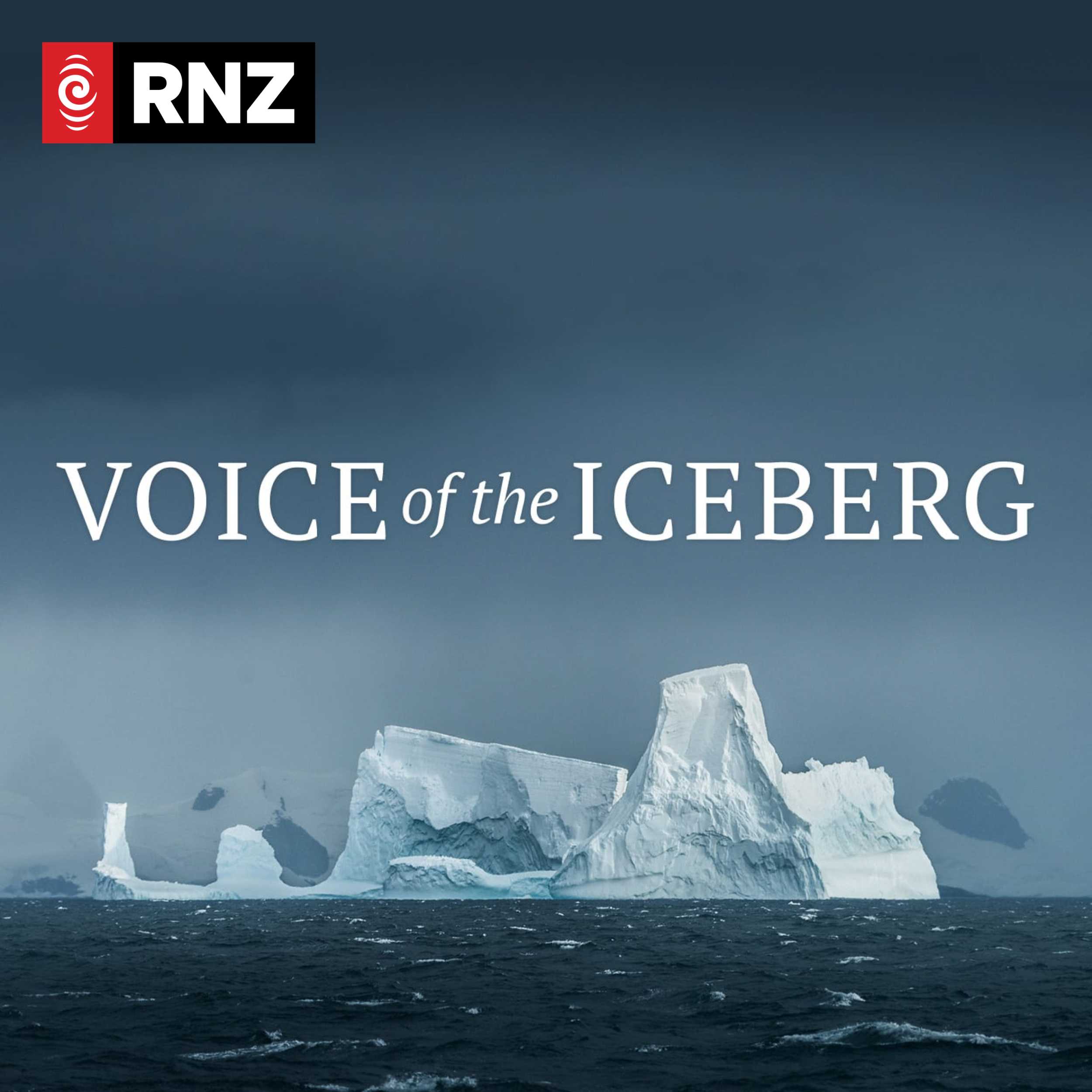
Voice of the Iceberg 04 | Endeavour
Joseph Michael and his film-making companions come face-to-face with the heaving splendour of giant icebergs in the waters around the Antarctic Peninsula. Back in New Zealand, they grapple with how to projection map an 'urban iceberg' onto the exterior of the Auckland War Memorial Museum, and how to create a soundscape that blends music with the voices of the icebergs.This episode was first releas
Voice of the Iceberg 03 | Adventure
Encounters with blue ice and wildlife prove to be life-changing adventures, when photographer Joseph Michael and his companions venture into the crevasse field of a giant glacier, to capture the blue heart of an Antarctic iceberg.This episode was first released on 27 February 2017.Go to this episode on rnz.co.nz for more details
Voice of the Iceberg 02 | Revelation
The varied sounds and characters of icebergs begin to reveal themselves to a watching team of film-makers. A small iceberg, Yoko, that fizzes and crackles like a soda drink. The dramatic demise of the soaring ice arch, Valentine.
This episode was first released on 27 February 2017.Go to this episode on rnz.co.nz for more details
Voice of the Iceberg 01 | Discovery
Artist Joseph Michael and a team of eight film-makers head to Antarctica on the yacht Australis, to discover and record the sights and sounds of icebergs. But before they reach the frozen continent and encounter their first bergs they must face the challenge of the notorious Drake Passage.This episode was first released on 27 February 2017.Go to this episode on rnz.co.nz for more details
Introducing: Voice of the Iceberg
The next series to join the Wild Sounds feed is Voice of the Iceberg, first published in 2017. Artist Joseph Michael and his team record the characters and sounds of icebergs in Antarctica as he prepares for a major art installation.This series was first releas in 2017.Go to this episode on rnz.co.nz for more details

Voice of the Kākāpō 08 | Success
The 2019 kākāpō chicks are becoming independent and birds sent to be scanned for aspergillosis are getting clean bills of health.This episode was first released on 19 March 2020.The 2019 kākāpō breeding season successfully weathered the aspergillosis crisis, with 72 chicks reaching the milestone of 150 days. Seventy of those juveniles are still alive, although two juveniles subsequently died from
Voice of the Kākāpō 07 | Dark days
A deadly fungal disease strikes the kākāpō population on Whenua Hou and the Kākāpō Recovery team calls on New Zealand wildlife vets to help.This episode was first released on 17 March 2020.In April 2019, disaster struck the kākāpō population.There was an outbreak of the deadly fungal disease aspergillosis, which would eventually kill two adult females and seven chicks.But against expectations, vet
Voice of the Kākāpō 06 | Kākāpō chicks
The kākāpō eggs are hatching, and chicks are being hand-reared or returned to their mother's nest... but not every chick is thriving.This episode was first released on 12 March 2020.The 2019 kākāpō breeding season set many records. It was the earliest, the longest - and of course, the biggest breeding season ever recorded.Two hundred and fifty two kākāpō eggs were laid over three months, starting
Voice of the Kākāpō 05 | Kākāpō sperm takes to the air
The tally of infertile eggs is climbing and the kākāpō team is using artificial insemination - and a drone - to try and counter the problem.This episode was first released on 10 March 2020.The 2019 kākāpō breeding season was one for the record books, but it had more than its fair share of problems, including the fact that more than half of the eggs laid were infertile.It's an ongoing issue, n
Voice of the Kākāpō 04 | Promise
Most of the female kākāpō have bred and the team is carrying precious fertile eggs to the 'egg room' for incubation. Meanwhile, on Anchor Island, the rain is falling.This episode was first released on 5 March 2020.Go to this episode on rnz.co.nz for more details
Voice of the Kākāpō 03 | Nest checks
Kākāpō breeding is in full swing after an early start, and DOC's Deidre Vercoe and Andrew Digby are checking to see if eggs are fertile.This episode was first released on 3 March 2020.Go to this episode on rnz.co.nz for more details
Voice of the Kākāpō 02 | Whenua Hou, kākāpō island
The kākāpō team know all the signs are good for a big kākāpō breeding season - the question is exactly how big and when will it start?This episode was first released on 27 February 2020.Go to this episode on rnz.co.nz for more details
Voice of the Kākāpō 01 | Kākāpō - night parrot
The kākāpō is a giant flightless parrot whose fortunes are tied to the rimu tree and to a dedicated team of rangers from the Department of Conservation. This episode was first released on 25 February 2020.The kākāpō, or night parrot, is one of the world's most unusual birds.It's a giant flightless parrot whose fortunes are tied to the rimu tree and to a dedicated team of kākāpō rangers f
Introducing: Voice of the Kākāpō
Claire Concannon introduces you to the next series from Wild Sounds. Hosted by Alison Ballance, hear the adventure through the bumpy bumper 2019 breeding season of NZ's rare flightless parrot.This series was first released in 2020.Go to this episode on rnz.co.nz for more details

Voice of Tangaroa 08 | Turning the tide
Kate Evans visits a passionate team as they carpet a remote volcanic island in Tonga with poisoned bait, hoping to eradicate rats. What does it take to complete this kind of project, what are the chances of success, and what will it mean for the island's ecosystems if they manage to remove the rats once and for all?This episode was first released on 18 April 2024.Rat eradication from islands is a
Voice of Tangaroa 07 | Summer 34
Journalist Rebekah White meets two people who have been counting albatrosses on remote islands in the subantarctic for more than three decades. Their research shows that at least one species is en route to extinction. A few changes to the way we fish could save it.This episode was first released on 11 April 2024.Gibson's and Antipodean albatrosses are citizens of no one nation. They are ocean
Voice of Tangaroa 06 | Taking on water
New Zealand once led the world in marine protection. Now it looks like we will fail to meet our international promise to protect 30 percent of our ocean estate by 2030. Why is stopping fishing so politically fraught? How might our ideas about marine protection need to change? And why, when our seas are in need, is it taking us so long to learn to talk to each other?This episode was first released
Voice of Tangaroa 05 | A tale of two islands
The Bounty Islands are tiny in terms of area - just some bits of granite jutting out of the ocean. But they are huge in terms of seabirds. James Frankham joins a team researching the erect-crested penguins who breed in this remote archipelago. Recent counts suggest the penguins of the Bounties are doing fine. But this is not the case on the Antipodes Islands, and the researchers desperately want t
Voice of Tangaroa 04 | The stuff of life
What roles do our ocean ecosystems play in capturing carbon? Kate Evans speaks to iwi Māori working to improve the health of an estuary in the Bay of Plenty, and to scientists studying the fiords of New Zealand's southwest coast. There's potential for huge amounts of carbon to be locked away, if we don't mess it up. This episode was first released on 21 March 2024.To avert the worst of the climate
Voice of Tangaroa 03 | Fish out of water
People and livestock gobble so much fish that the seas soon won't keep up. Is the answer to grow fish on land? Kate Evans meets scientists figuring out the puzzles of how to farm some of New Zealand's iconic ocean creatures.This episode was first released on 14 March 2024.Many of our fisheries are under pressure. At the same time people are eating more fish. Could farming iconic New Zealand specie
Voice of Tangaroa 02 | Kina-nomics
Kina numbers are exploding on some of our reefs, decimating seaweed habitats. Could this problem be solved by eating them? Kate Evans investigates the potential of kina-nomics.This episode was first released on 7 March 2024.The kina are out of control. As many as 40 urchins crowd into a single square metre of rock, devoid of other life.A kina barren is a symptom of an ecosystem out of balance. Cou
Voice of Tangaroa 01 | The undersea orchetra
Crackle, pop, woof, crunch, click. In the ocean, an undersea orchestra is in full swing. Journalist Kate Evans discovers who's playing in it and why, and what happens when human noise drowns out this symphony in the sea. This episode was first released on 29 February 2024.Symphony in the seaJournalist Kate Evans and presenter Claire Concannon discover a world of snapping shrimp, singing whales and
Introducing: Voice of Tangaroa
A collaboration between Our Changing World and New Zealand Geographic, the Voice of Tangaroa series explores the state of our oceans, and the extraordinary variety of life that calls it home. This series was first released in 2024.93% of New Zealand is covered in salt water. 80% of our biodiversity is in our seas. And yet this is the part of our realm we understand the least and treat the worst.&
Bonus: RNZ climate correspondent Eloise Gibson
Claire Concannon spoke to RNZ's climate correspondent Eloise Gibson for the last episode of the Voice of the Sea Ice series. Listen to the full interview between Eloise and Claire in which they talk about the Paris Agreement, New Zealand's international climate commitments, and what we can do as individuals. Sign up to the Our Changing World monthly newsletter for episode backstories, science anal
Voice of the Sea Ice 06 | Where to?
Human-induced climate change is impacting Earth’s global systems, including ice melt in Antarctica. What is the world doing to combat it? Signed in 2016, the Paris Agreement is the current global plan to tackle it. Countries pledge different emission reduction targets and then produce their workings and homework about how they are going about it. Where does New Zealand fit in? Are we doing our bit
Voice of the Sea Ice 05 | Changing times
In February 2025, the world hit a new low for global sea ice extent. Arctic sea ice has been declining for several decades now, but Antarctic sea ice had been holding steady, until recently. With low summer sea ice extents for four years in a row, it appears that Earth’s warming has kicked Antarctic sea ice into a new regime. Claire Concannon speaks to scientists to understand what this means for
Voice of the Sea Ice 04 | More life!
Penguins that return to the ice in the middle of winter to lay their eggs. Seals that use cracks in the ice to keep their pups safe. And fish that have antifreeze proteins to survive in the icy cold waters... Antarctic life is tough, and full of surprises. Scientists are keen to piece together the Antarctic food web puzzle to better understand the interconnections, and to enable smart conservation
Voice of the Sea Ice 03 | Life!
What’s it like to live and work on the frozen ocean? A team of researchers are camping out on the sea ice to investigate the small critters that live on the bottom of the ice, and among the sloshy platelet ice layer just below it. From microalgae to krill, these tiny organisms hold up the big complex food web of Antarctica. Scientists are keen to understand these communities, and how they might sh
Voice of the Sea Ice 02 | Antarctica's heartbeat
Step out on the sea ice just outside New Zealand’s Scott Base with researchers studying the physics of its annual cycle. Each year a massive patch of ocean around Antarctica freezes and then melts again come summer – Antarctica’s heartbeat. In winter, the ice effectively more than doubles the size of this already massive continent, and it plays a huge role in controlling our planet’s climate.Guest
Voice of the Sea Ice 01 | A land of ice and ambition
Welcome to Antarctica - a land of ice, extremes, and ambition. From historic expeditions to modern day science projects, Antarctic exploration is a unique, and dangerous, experience. We meet one researcher involved in an epic journey across the largest ice shelf in Antarctica, mapping a safe route through a crevassed landscape for others to follow. Plus, we learn about the different types of ice f
Introducing: Voice of the Sea Ice
Each winter the sea ice that forms around Antarctica effectively doubles the size of this massive continent. It’s one of the biggest annual global changes. It reflects sunlight, drives ocean currents and is home to a host of critters key to the Antarctic food web. But the last few years have seen unusually low sea ice extents in Antarctica, and scientists are sounding the alarm. Is this a blip, or