Public Interest
Public Interest is an independent, audience-funded podcast that makes sense of politics, power and the economy in Aotearoa New Zealand. It offers accessible analysis and reporting on current affairs, aiming to inform listeners about the forces shaping their society. The show is produced by Public Interest, a New Zealand-based media organization.
Episodes
The State of It: Guy and Avi fix the economy
Why is everything so expensive? And who's getting rich while the rest of us struggle to pay the bills?This week on The State of It, comedian Guy Williams and researcher Avigail Allan take on New Zealand's cost of living crisis, with a little help from economist Dr Geoff Bertram. From outrageous power bills and supermarket prices to $350 Ed Sheeran tickets, they explore how decades of priva
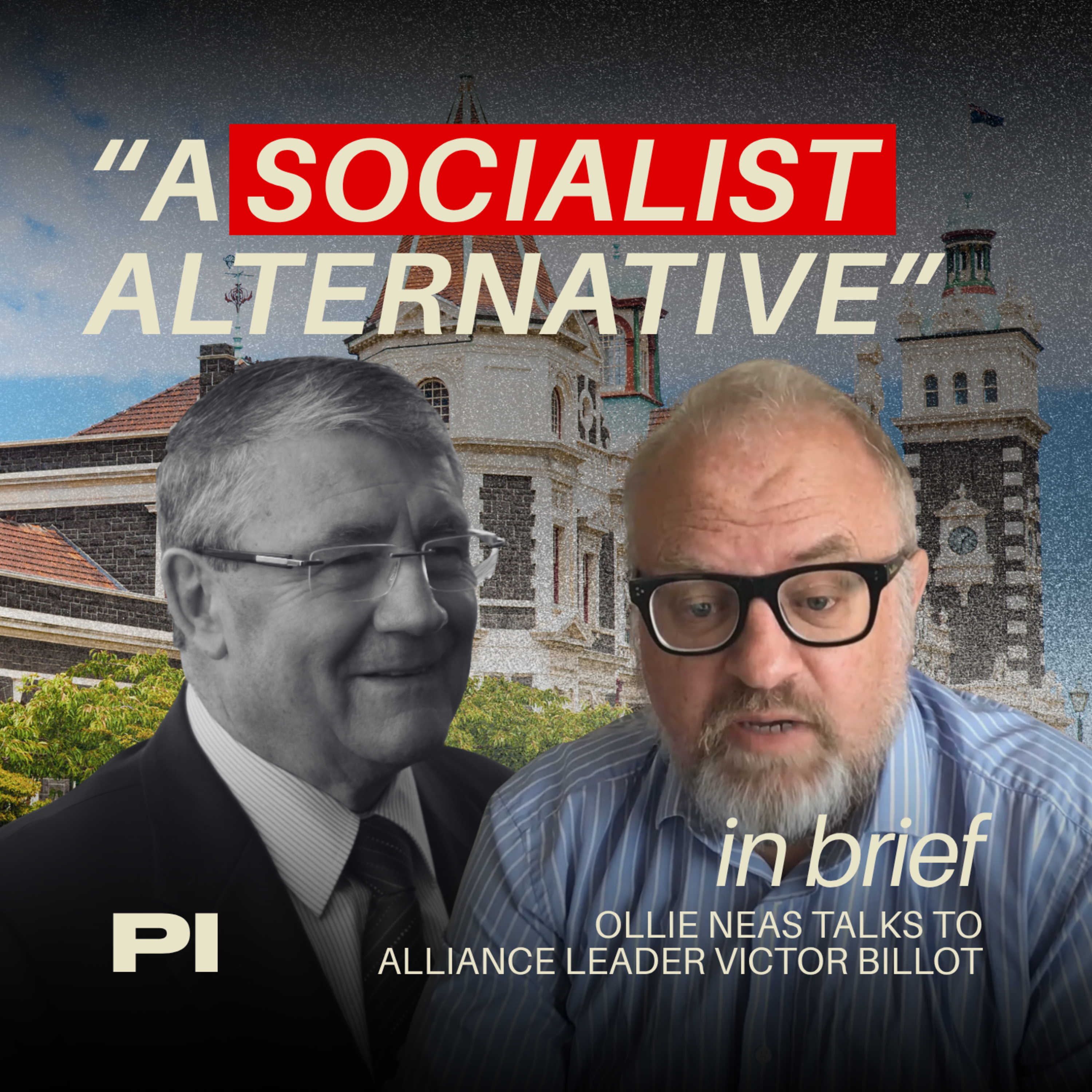
In Brief: Can the Alliance bring back socialism?
The Alliance Party is back – and it wants to bring socialism back to New Zealand politics. But is there room for another party on the left?Ollie Neas speaks to Alliance leader Victor Billot about the party's plans to revive public ownership, full employment and a bigger role for the state in the economy.They discuss what separates the Alliance from Labour and the Greens, why Billot believes pa
The State of It: Guy and Avi solve crime
Watch the first episode of The State of It, a new show from Public Interest featuring comedian Guy Williams and researcher Avigail Allan.Join Guy and Avi as they tackle the state of crime and punishment in New Zealand. Why does New Zealand lock up so many people? Why do politicians keep promising to get tougher on crime? And what does a Melbourne Cup horse syndicate have to do with it all?Public I
Who Broke My City: What’s behind National’s war on councils?
National said urgent changes to local democracy were needed to lower costs and fix the basics. Then, just two months out from an election, it abruptly halted its council amalgamation plans, deferring decisions until after the election.So what's going on here? What's really driving the reforms, and who stands to benefit? Christchurch City Councillor Nathaniel Herz Jardine and Wellington City Counci
Undercurrents: How do you manufacture a movement? Nicky Hager on Dirty Work
How do you manufacture a political movement?Ollie Neas talks to investigative journalist Nicky Hager about his new book Dirty Work, which investigates the Taxpayers’ Union and a network of lobby and campaign groups that Hager argues have helped reshape New Zealand politics.We discuss astroturfing, political donations, the manufacture of outrage, the Three Waters campaign – and how the methods Hage
In Brief: Chlöe Swarbrick on capitalism, democracy and the Greens’ path to power
Green Party co-leader Chlöe Swarbrick wants the Greens to become the largest party of the left. But what would it take to get there?Ollie Neas talks to Swarbrick about the Greens’ changing politics, economic inequality, corporate power, public ownership, Labour, and building a mass political movement.Public Interest is independent and entirely supported by our audience. If you value what we do, co
Undercurrents: Why did Ardern’s government fall short?
Nearly a decade after Jacinda Ardern swept into office promising transformation, what can we learn from where her government fell short?Ollie Neas talks to economist Dr Geoff Bertram about the weakening of the New Zealand state, the limits of Labour’s economic approach, and what a future progressive government would need to do differently.Public Interest is independent and entirely supported by ou
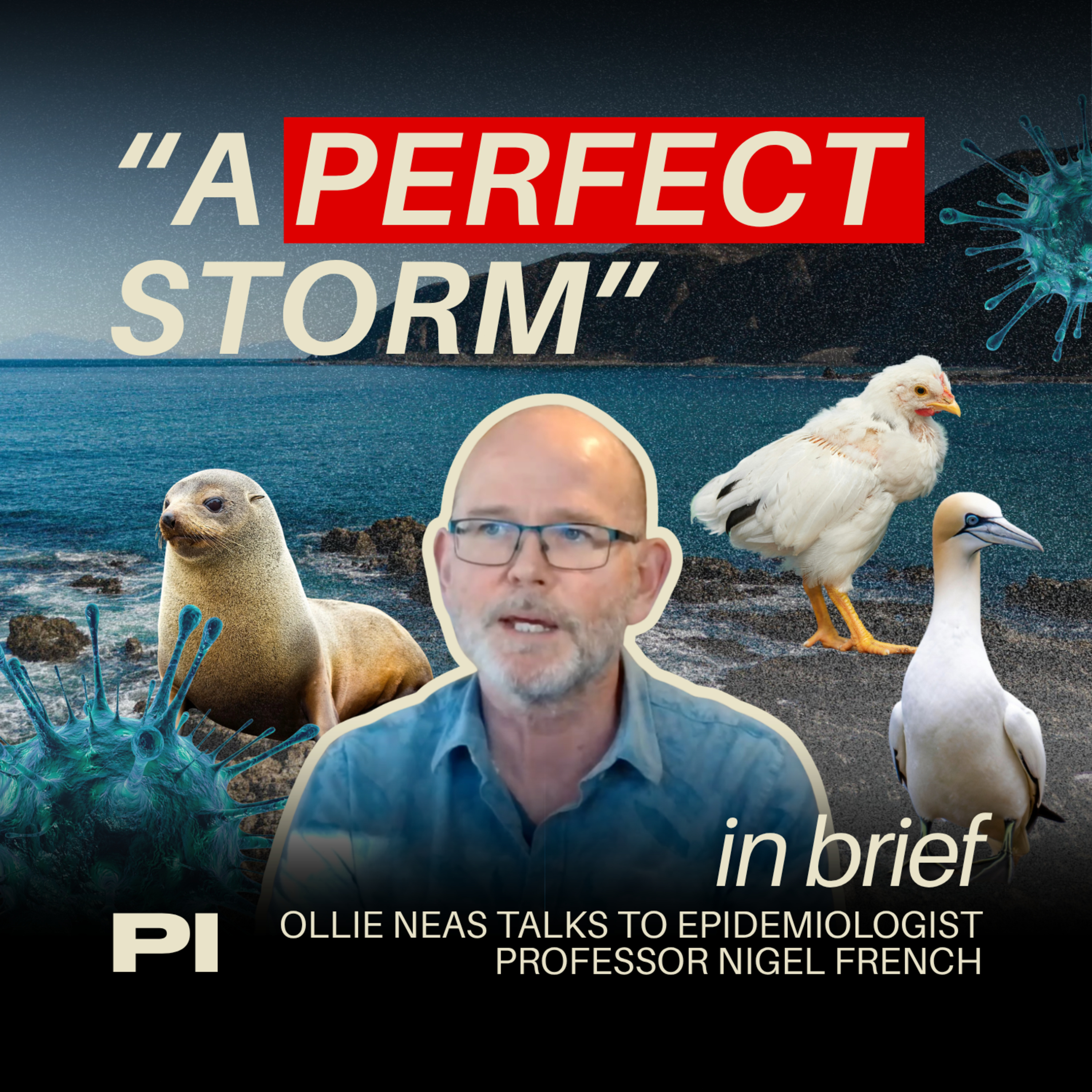
In Brief: Professor Nigel French on bird flu, climate change and the next pandemic
Bird flu has reached New Zealand. Ollie Neas talks to epidemiologist Professor Nigel French about the threat H5N1 poses to New Zealand, how prepared we are for an outbreak, and why climate change, intensive agriculture and other human activity are creating a “perfect storm” for the emergence of new diseases.Public Interest is independent and entirely supported by our audience. If you value convers

Undercurrents: What does the right really want?
Around the world the centre-right is collapsing and the far-right is insurgent. Is the same about to happen here in New Zealand?Ollie Neas is joined by political commentator Bryce Edwards and Massey University associate professor Sean Phelan to discuss the state of the New Zealand right in 2026. How has right-wing politics in New Zealand changed over the past decade? And beneath the blustery rheto
In Brief: Bernard Hickey on Labour’s fiscal straitjacket
Labour says New Zealand’s economy is no longer working for ordinary people. But do its new fiscal rules leave it enough room to actually change things?Ollie Neas talks to journalist and commentator Bernard Hickey about Labour’s new fiscal strategy, the legacy of the Public Finance Act, and whether Labour’s lack of ambition is holding the left back.Bernard Hickey is a journalist, commentator, and e
In Brief: Qiulae Wong on what Opportunity really stands for
The Opportunity Party could decide the next government. But what does it actually stand for?Ollie Neas sits down with party leader Qiulae Wong to discuss whether Opportunity is really left-wing or right-wing, why she thinks New Zealand is “stuck between two economies”, and the party’s approach to inequality, tax, unions, business and the role of the state.They also discuss Opportunity’s proposed l
In Brief: Is it really a renter’s market?
As rents fall in parts of New Zealand, some have claimed we’re finally in a “renter’s market”. But the bigger picture tells a different story: rents increased 25% between 2020 and 2025, low-income New Zealanders pay some of the highest rents in the world, and homelessness is at an all-time high.Renters United president Luke Somervell joins Ollie Neas to discuss the reality of life for renters in N
Undercurrents: What can New Zealand learn from Mamdani and the DSA?
The Democratic Socialists of America is winning elections and building political power across the United States. What explains its success – and could something similar happen here in New Zealand?Longtime DSA organiser David Duhalde and union organiser Justine Sachs join Undercurrents to discuss Mamdani, movement politics, and what New Zealand can learn from the DSA.

In Brief: Are Rocket Lab launches helping Israel target Gaza?
A new lawsuit alleges satellites launched from New Zealand by Rocket Lab may be providing intelligence used by Israel in Gaza.Ollie Neas speaks to plaintiff Yasser Abdulaal, a Palestinian New Zealander, and his lawyer Sam Vincent about the case, Rocket Lab’s role as a US military contractor, and what it could mean for New Zealand’s involvement in the war.
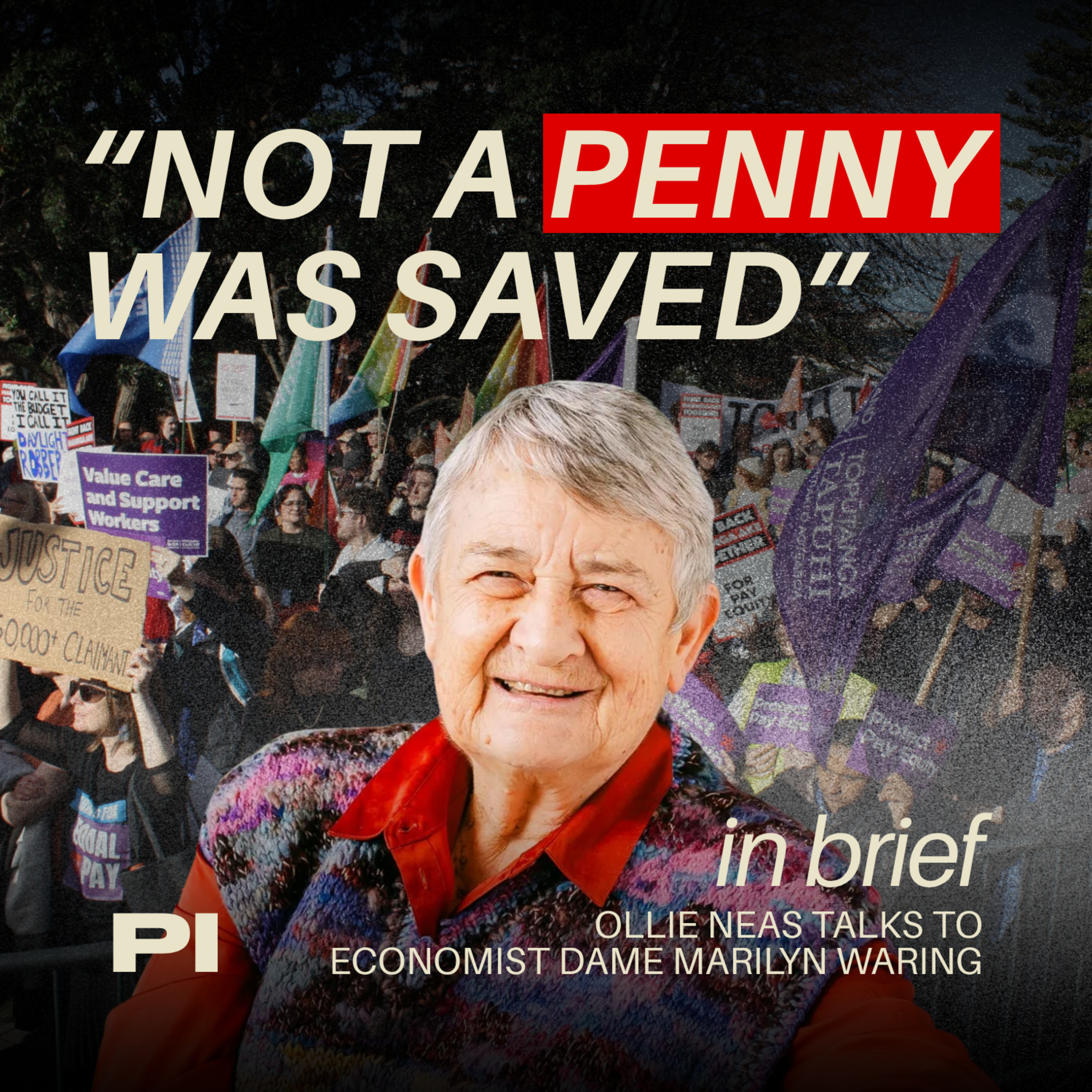
In Brief: Marilyn Waring on pay equity and the value of women’s work
More than a year after the government’s shock rewrite of New Zealand’s pay equity laws, the fight over the value of women’s work continues.Dame Marilyn Waring joins Public Interest to discuss what the changes have meant for workers, the decades-long struggle for pay equity, why women’s work remains undervalued, and what it will take to restore the progress that has been lost.
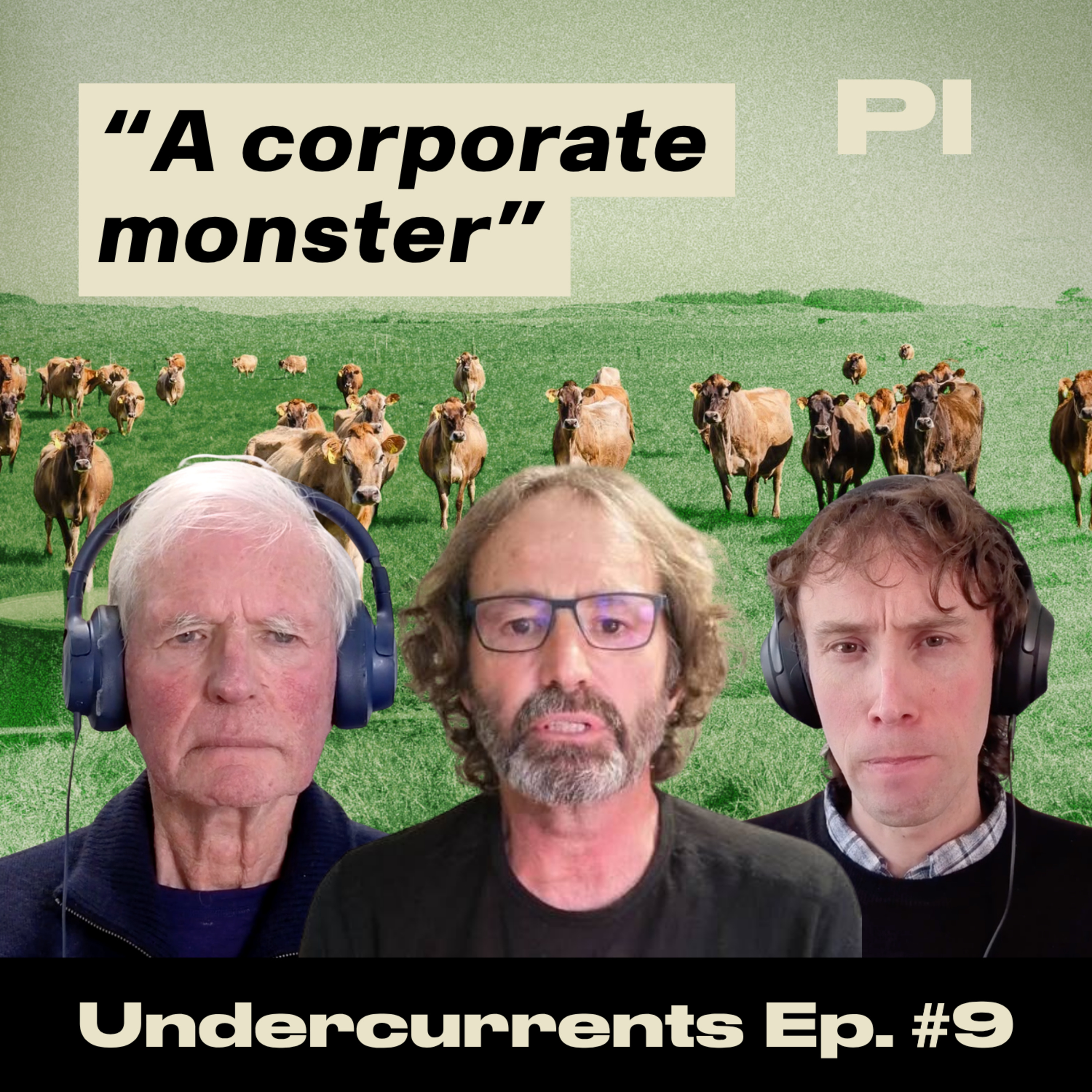
Undercurrents: Is big agriculture holding New Zealand hostage?
Is farming really the backbone of the New Zealand economy? In this episode of Undercurrents, Ollie Neas speaks with freshwater ecologist Dr Mike Joy and economist Dr Geoff Bertram about the rise of intensive dairying, the political influence of the agricultural sector, and the environmental costs that have been pushed onto the public. They explore why farming's changing place in the economy, w
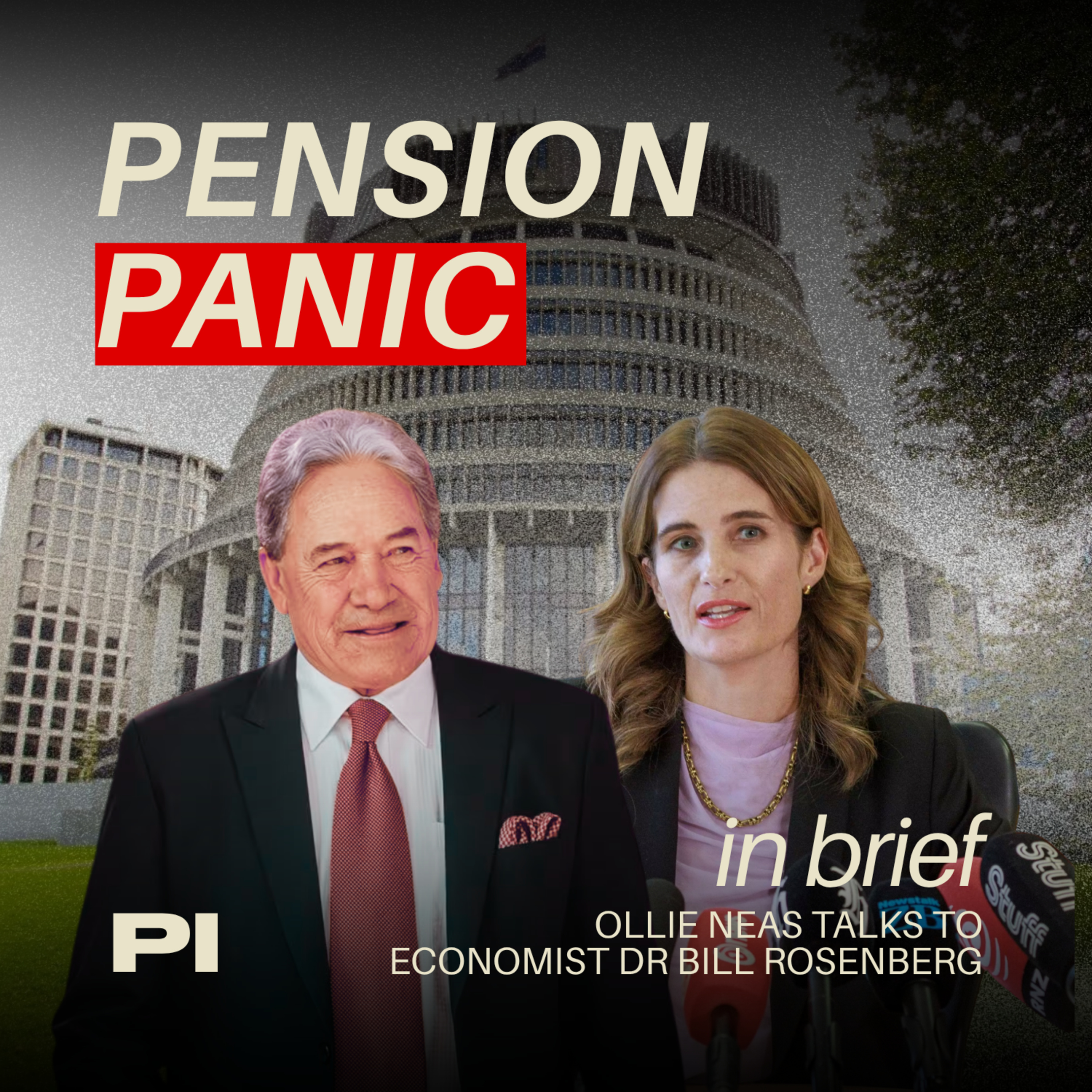
In Brief: Why are we panicking about superannuation?
A growing chorus of voices is arguing that New Zealand simply cannot afford universal superannuation any longer. But is this true? In this episode of Public Interest, Ollie Neas speaks to economist Dr Bill Rosenberg about whether New Zealand really has a superannuation crisis. They discuss the affordability of NZ Super, the case for and against means testing and raising the retirement age, the inf
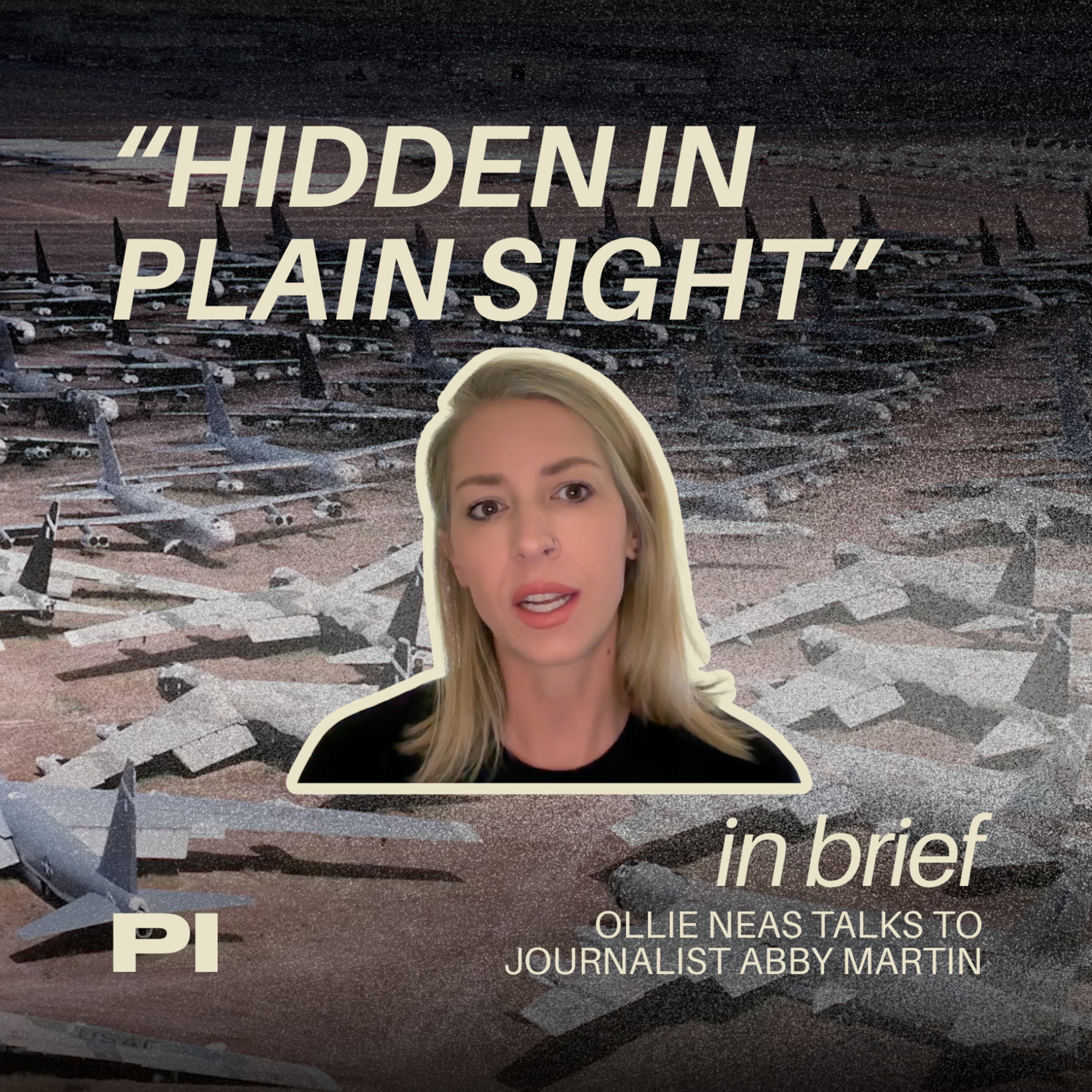
In Brief: Abby Martin on Earth’s Greatest Enemy
The climate crisis and war are usually treated as separate issues. Journalist Abby Martin argues they're inseparable. In this episode, Ollie Neas speaks to Martin about her new documentary, Earth's Greatest Enemy, the US military's environmental footprint, the links between militarism and the fossil fuel economy, and why military emissions remain absent from global climate targets.
Undercurrents: Who really pays for inflation? Geoff Bertram Part 2
How should governments respond when prices rise – and who bears the cost? In part two of this special two-part episode of Undercurrents, Ollie Neas talks to economist Geoff Bertram about the politics of inflation, the Reserve Bank's reliance on interest rates, and why the burden of bringing inflation down often falls on ordinary households. We also explore inequality, taxation and what a different
Undercurrents: Why is New Zealand so expensive? Geoff Bertram Part 1
Why is life becoming more expensive? Politicians often blame inflation, global shocks or government spending. But what if the roots of New Zealand's cost of living crisis run much deeper? In part one of this special two-part episode of Undercurrents, Ollie Neas speaks with Dr Geoff Bertram about how decades of deregulation, privatisation and growing monopoly power have reshaped New Zealand'

In Brief: How the media reached crisis point
Newsrooms are shrinking, public media is facing renewed political attacks, and ownership of commercial media is becoming increasingly concentrated. So what does this mean for our democracy?Ollie Neas speaks with media scholar Peter Thompson about the state of New Zealand's media, the future of RNZ and public broadcasting, the politics of media reform, and why a strong, independent fourth estat
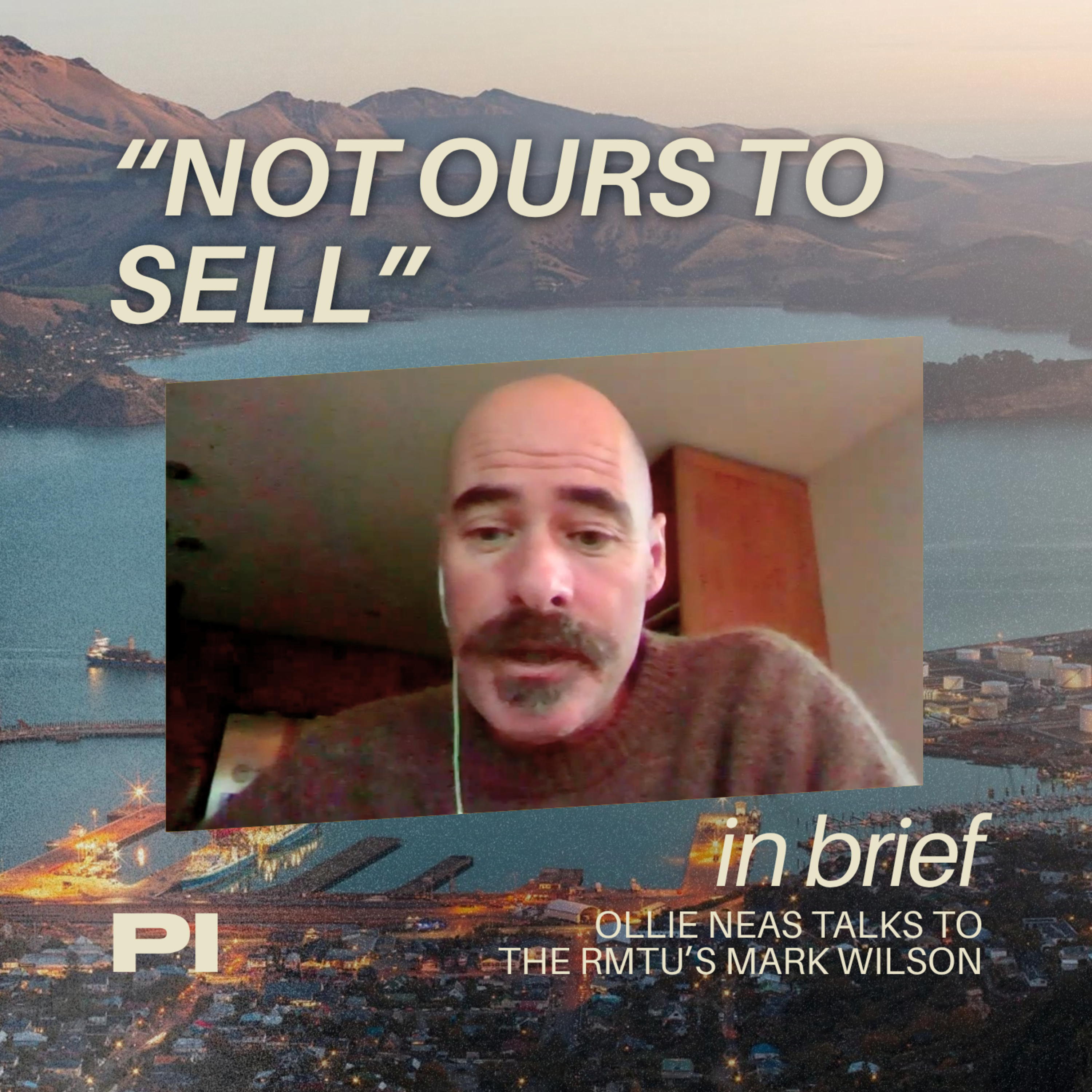
In Brief: Is Christchurch about to privatise its port?
A proposal to lease the operation of Lyttelton Port to a consortium led by global ports giant DP World has raised concern over the future of one of Christchurch's most valuable public assets. In this episode of In Brief, Ollie Neas speaks with Mark Wilson, Lyttelton branch secretary of the Rail and Maritime Transport Union, about what the proposal involves, and why unions are warning of potent
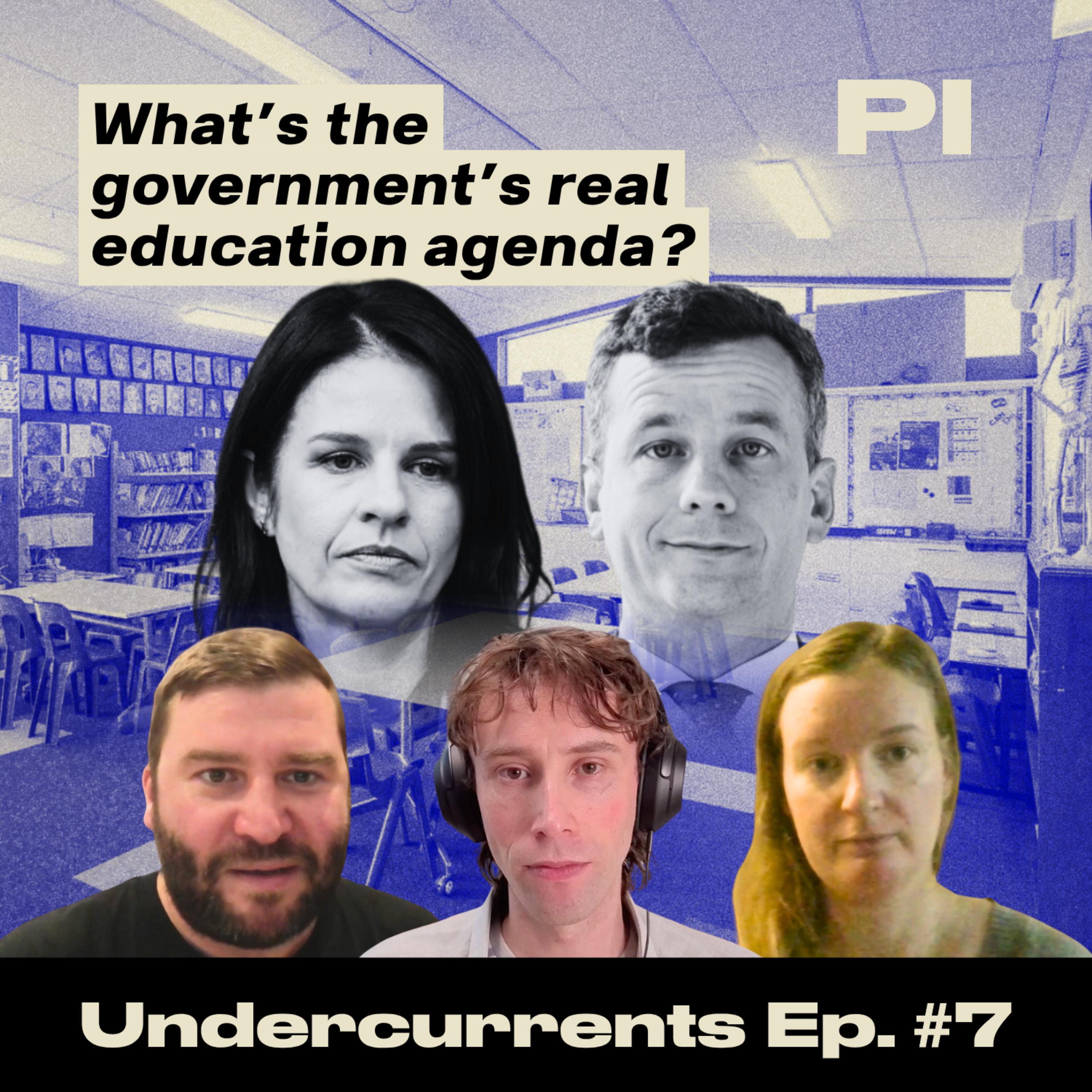
Undercurrents: What’s the government’s real education agenda?
The coalition government is radically reshaping New Zealand’s education system –overhauling the curriculum, scrapping NCEA, re-establishing charter schools and much more. It says the reforms are needed to reverse declining achievement, but critics warn a broader ideological project is at work. Ollie Neas speaks with teacher and PPTA national executive member Clare Preston and Dr Shannon Walsh, an
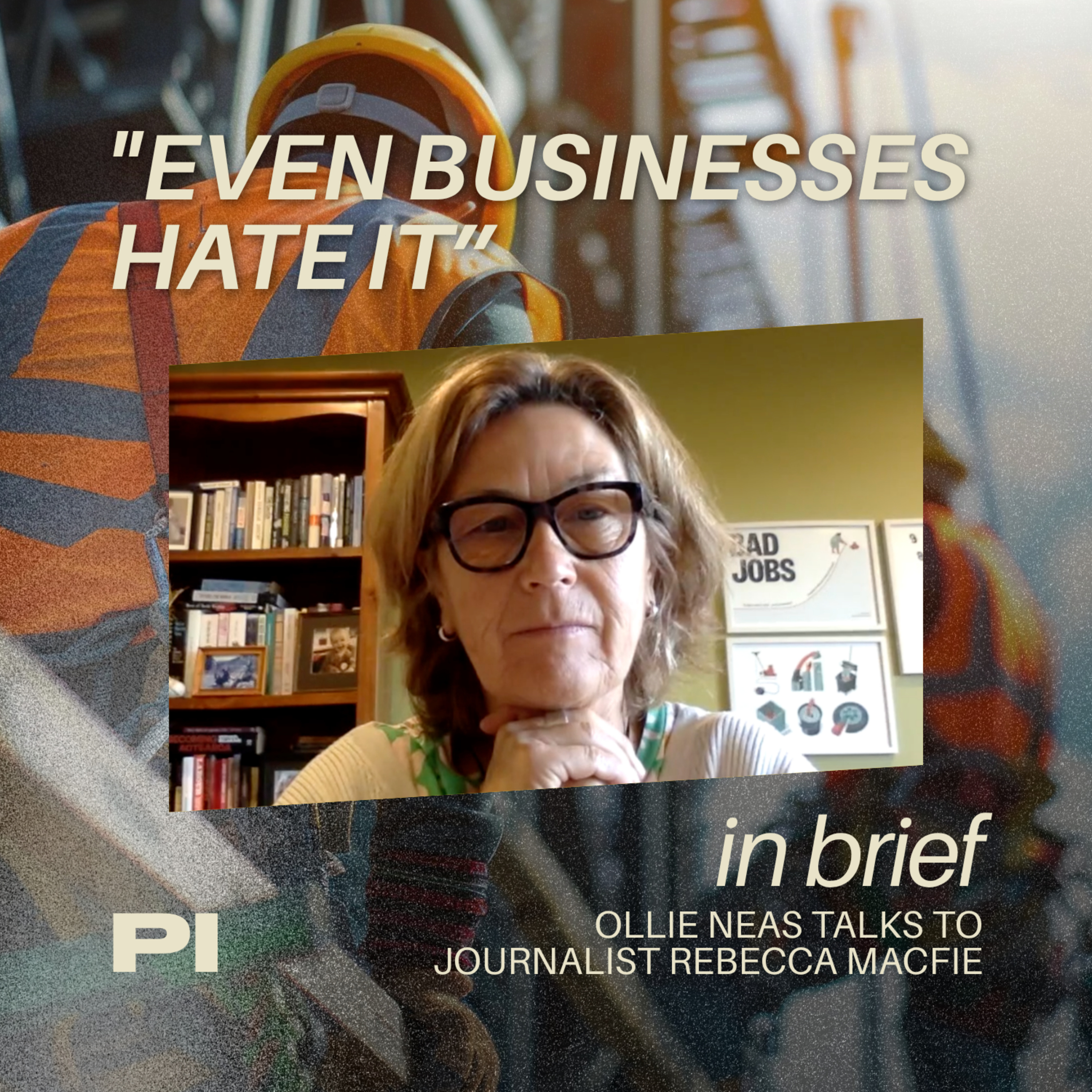
In Brief: What’s behind the health and safety reforms nobody wants?
Why is the government pushing health and safety reforms that even many businesses oppose? Journalist Rebecca Macfie joins Public Interest to unpack the coalition's Health and Safety Amendment Bill, the myths about "red tape", and why she believes New Zealand is forgetting the lessons of Pike River.
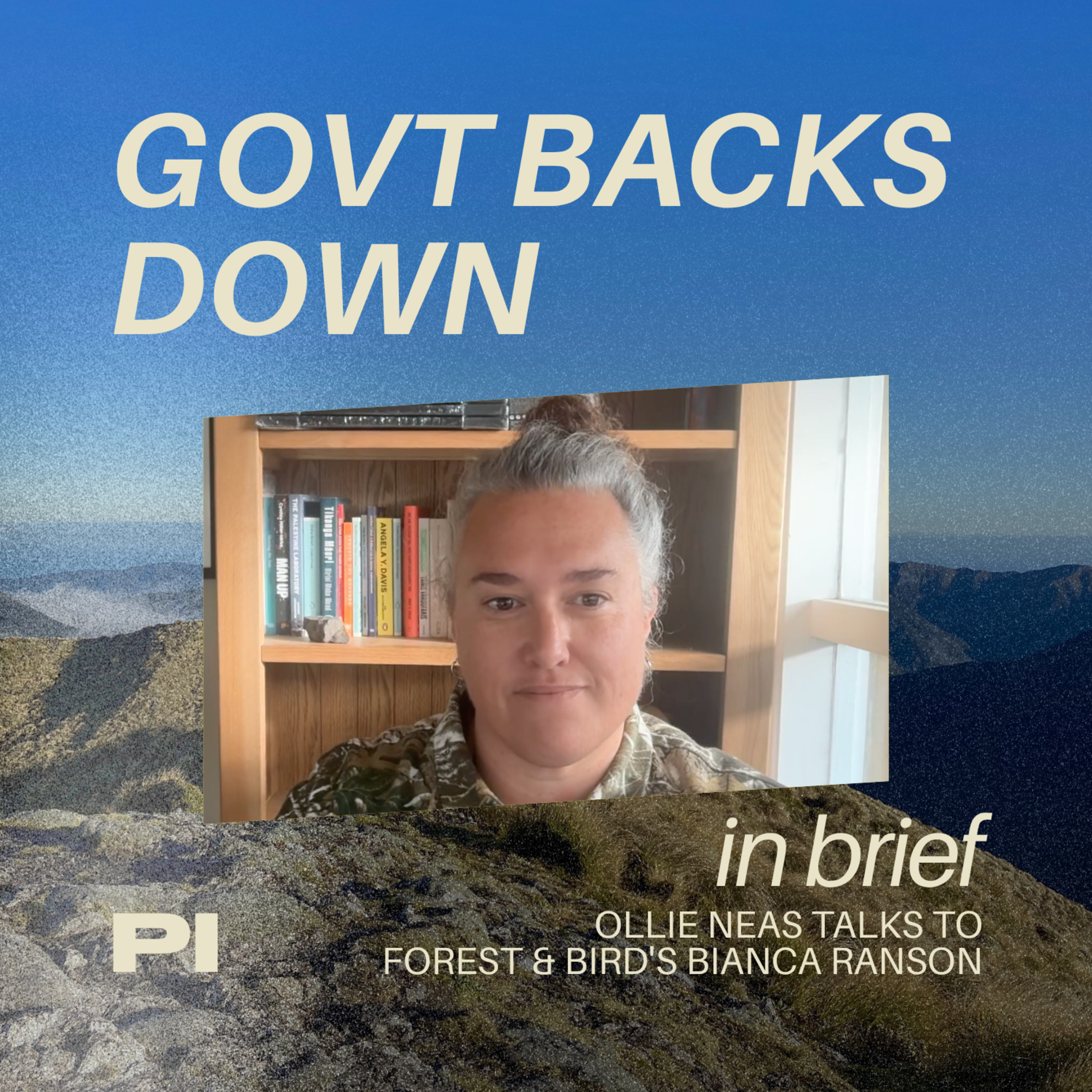
In Brief: Government backs down on conservation land. Is the fight really over?
The government is backing down on the most controversial part of its proposed conservation reforms. But Forest & Bird says the Conservation Amendment Bill still poses serious risks. Ollie Neas speaks with national conservation advocate Bianca Ranson about what the U-turn means, what remains in the bill, and why the fight over New Zealand’s conservation estate is far from over.
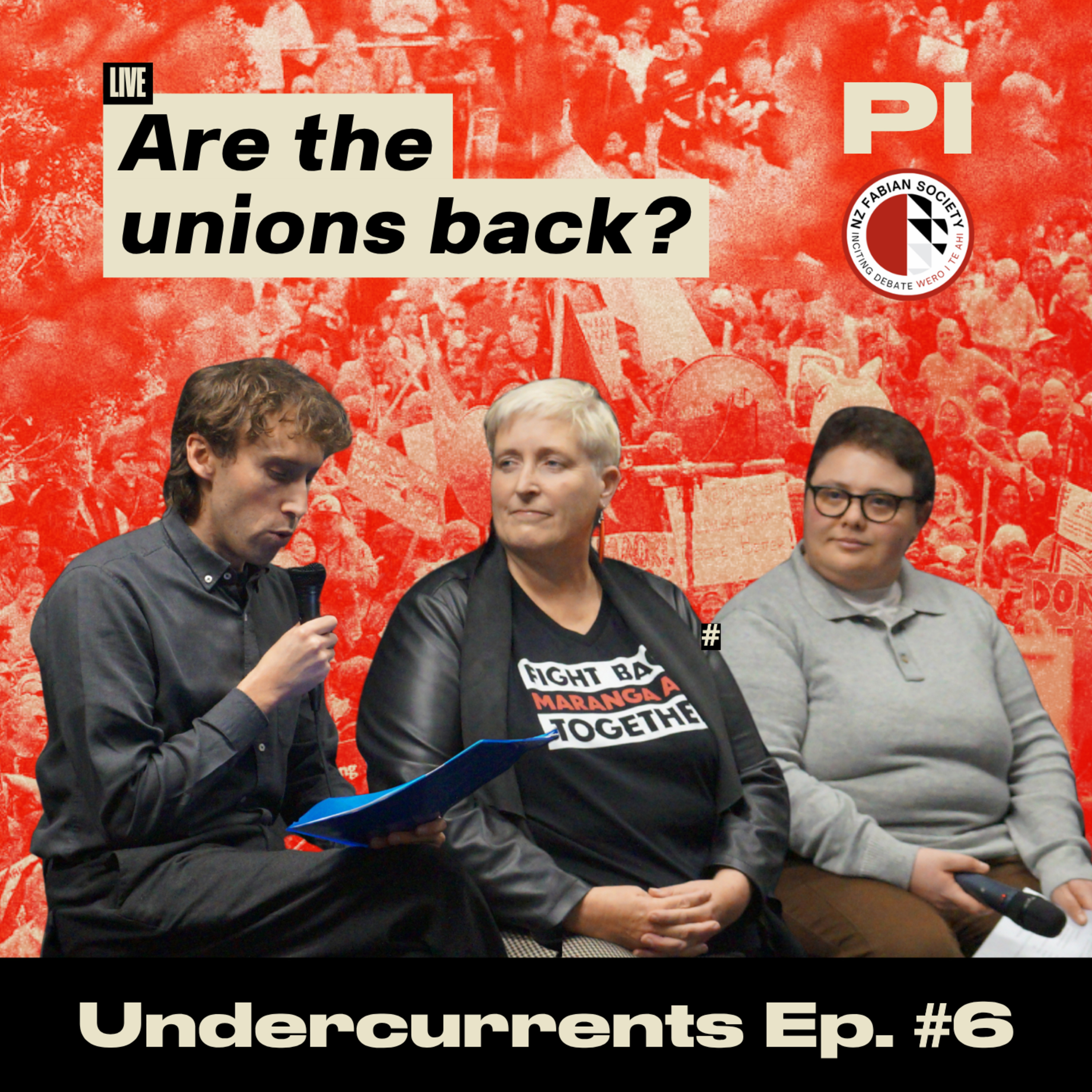
Undercurrents: Are the unions back?
In the face of a sweeping assault on workers’ rights, New Zealand’s unions seem to have found renewed confidence. But are we witnessing a genuine union revival, or is this just a blip in a longer story of decline? In this special live edition of Undercurrents, recorded in partnership with the Fabian Society, Ollie Neas is joined by New Zealand Council of Trade Unions President Sandra Grey and unio
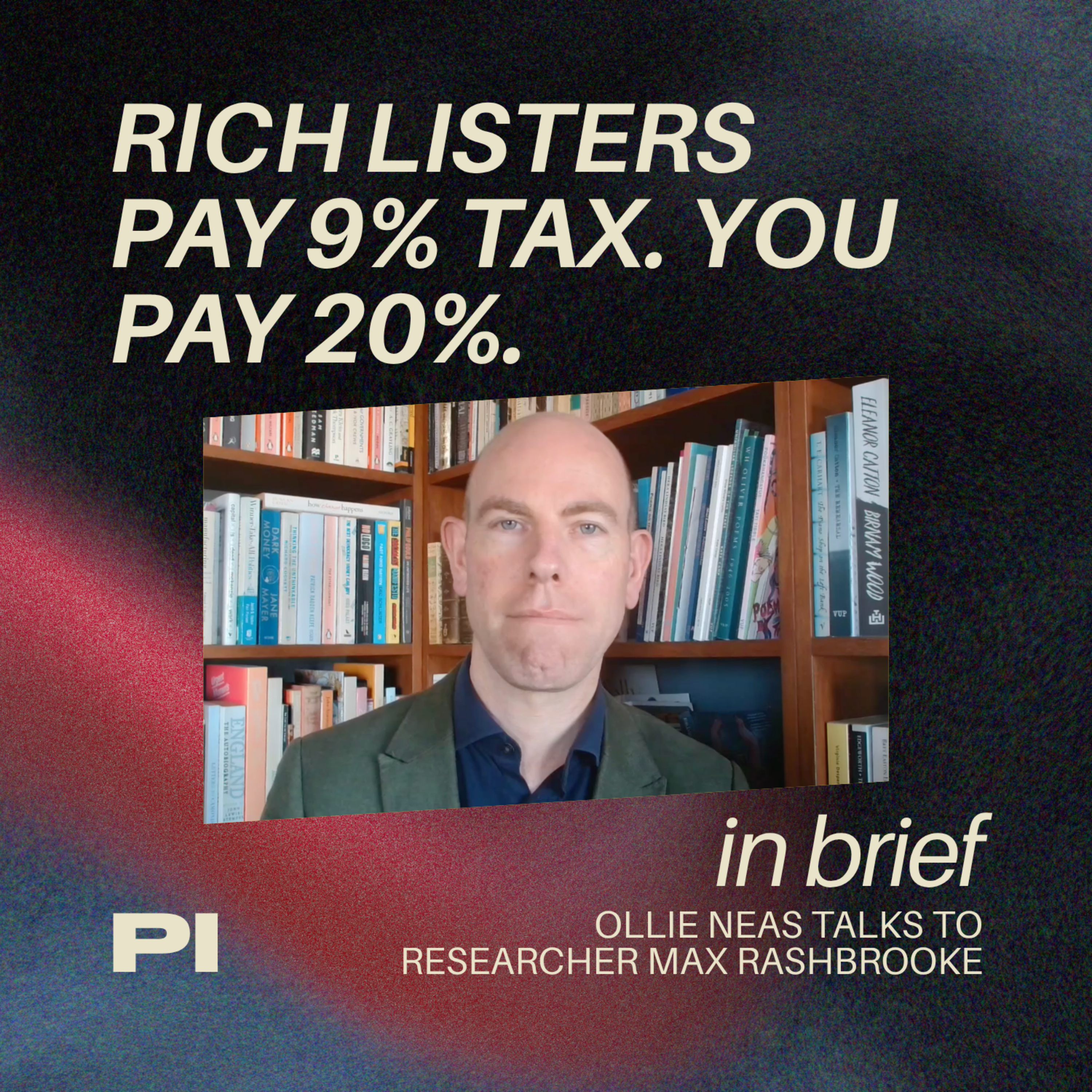
In Brief: What does the Rich List say about New Zealand?
The NBR's annual Rich List has revealed that the wealth of New Zealand's richest 134 people has surged from $102 billion to $129 billion in just one year. So why are the rich getting richer so much faster than everyone else? Ollie Neas is joined by researcher and journalist Max Rashbrooke to discuss the latest Rich List, inherited wealth, billionaires, tax, unions, democracy, and what a mo
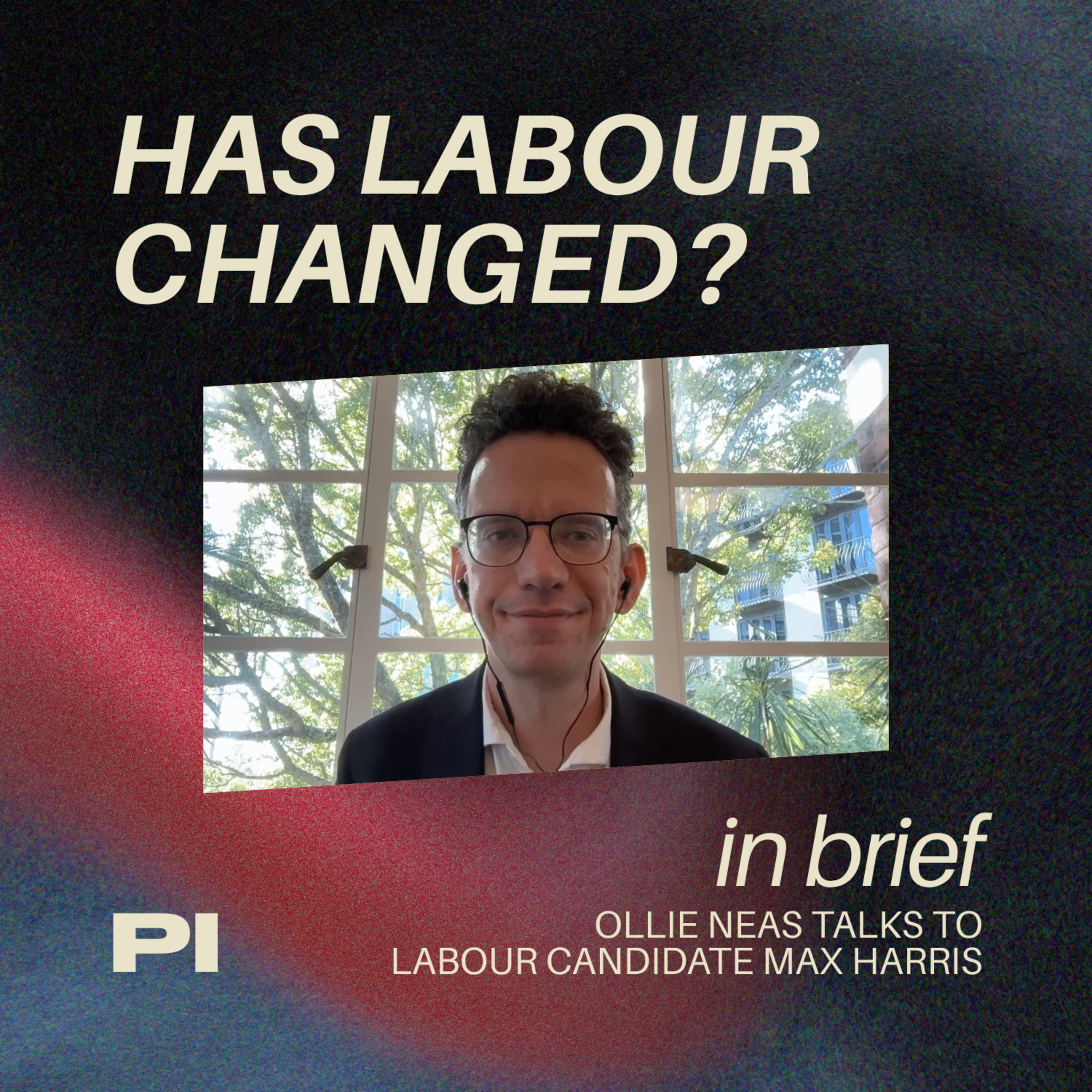
In Brief: Max Harris on Labour, Rogernomics and the 2026 election
This week Labour unveiled its candidate list for the 2026 election, with lawyer, activist and writer Max Harris among the most prominent new additions. In this conversation, Harris discusses why he chose Labour, whether the party has moved beyond the legacy of Rogernomics, his long-shot campaign to flip Tāmaki, and what he believes is at stake in this year's election. Also in the conversation:

Undercurrents: Who really benefits from tough on crime?
Why do politicians keep promising to be "tough on crime" when the evidence says it doesn't make us safer?This week on Undercurrents, Ollie Neas is joined by author of The Valley Asher Emanuel and lawyer and activist Gabriella Brayne to unpack the gap between public perception and the reality of New Zealand's criminal legal system. From penal populism and media moral panics to housing, inequality a
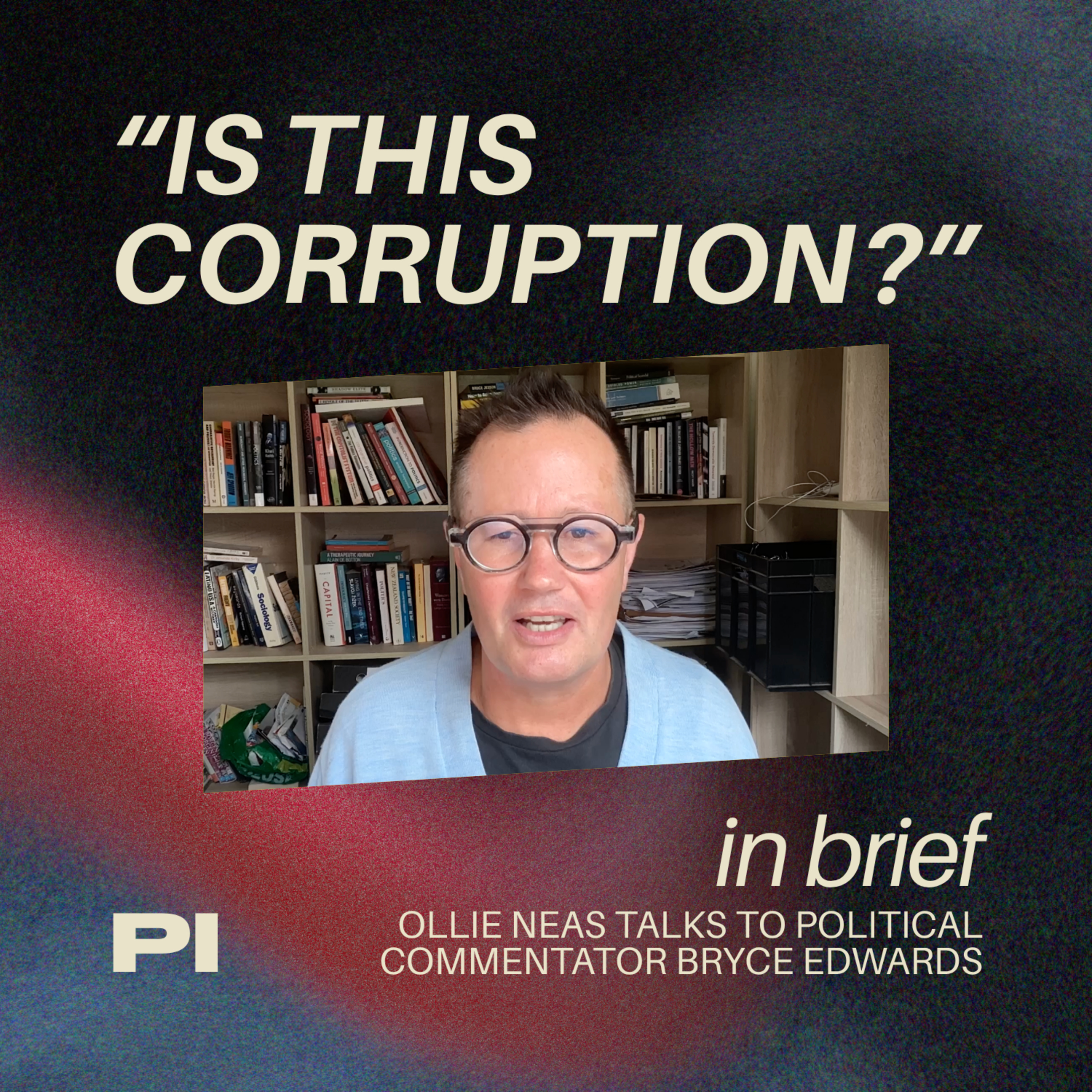
In Brief: A landmark corruption scandal? Bryce Edwards on the climate lobbying cover-up
The climate lobbying scandal has rapidly become one of the biggest political stories of the year. Bryce Edwards joins Public Interest to unpack the revelations surrounding Z Energy, Fonterra, the Mike Smith climate case, and the bigger questions about corporate influence, transparency, and who really gets access to political power in New Zealand.
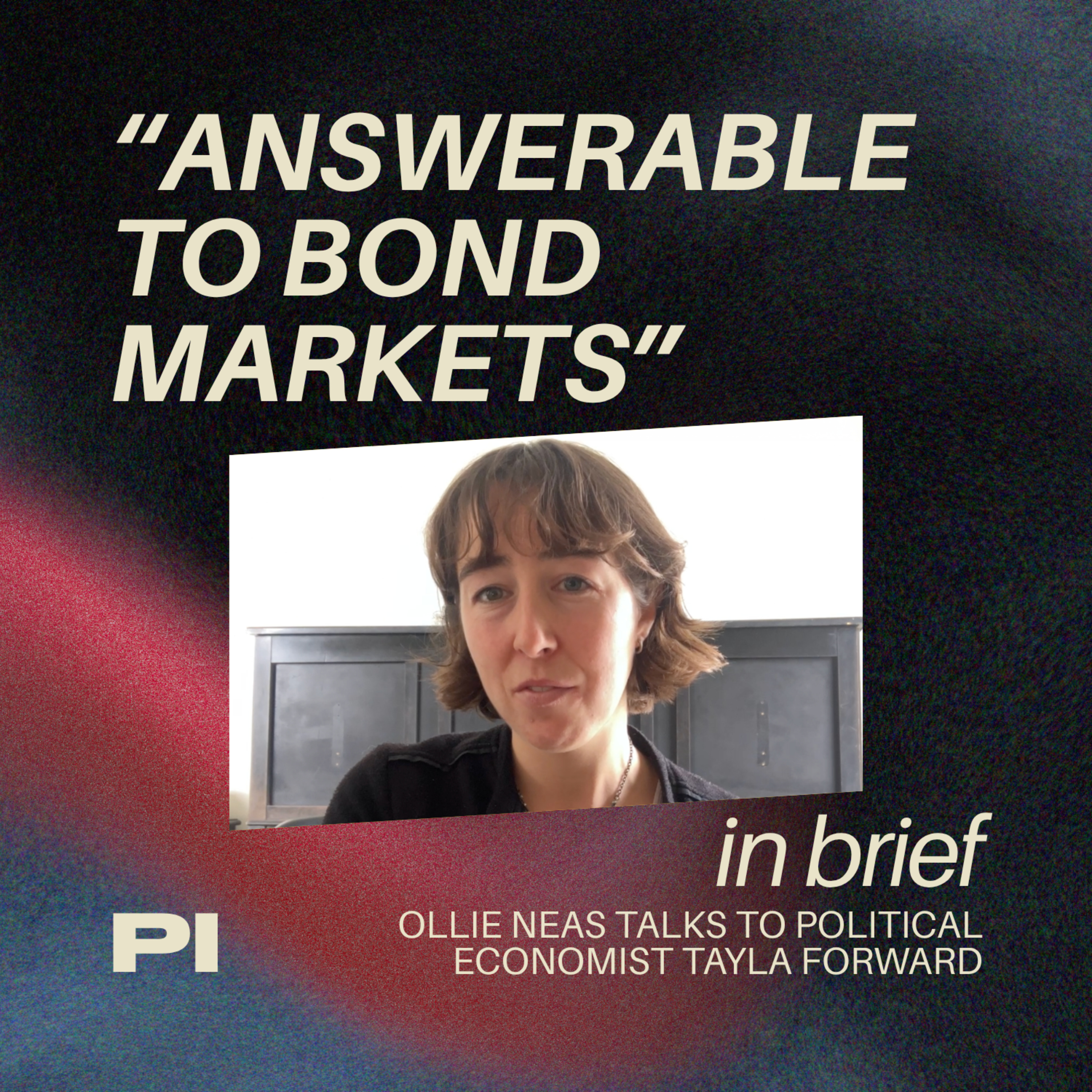
In Brief: What the government doesn’t want you to know about Budget 2026
The government says Budget 2026 is about responsible economic management: tighter spending, lower debt, and a return to surplus. But what if the problem with New Zealand's economy isn't what we've been told it is?In this episode of In Brief, Ollie Neas is joined by political economist Tayla Forward to unpack the ideas behind the Budget. They discuss debt, deficits, bond markets, tax re
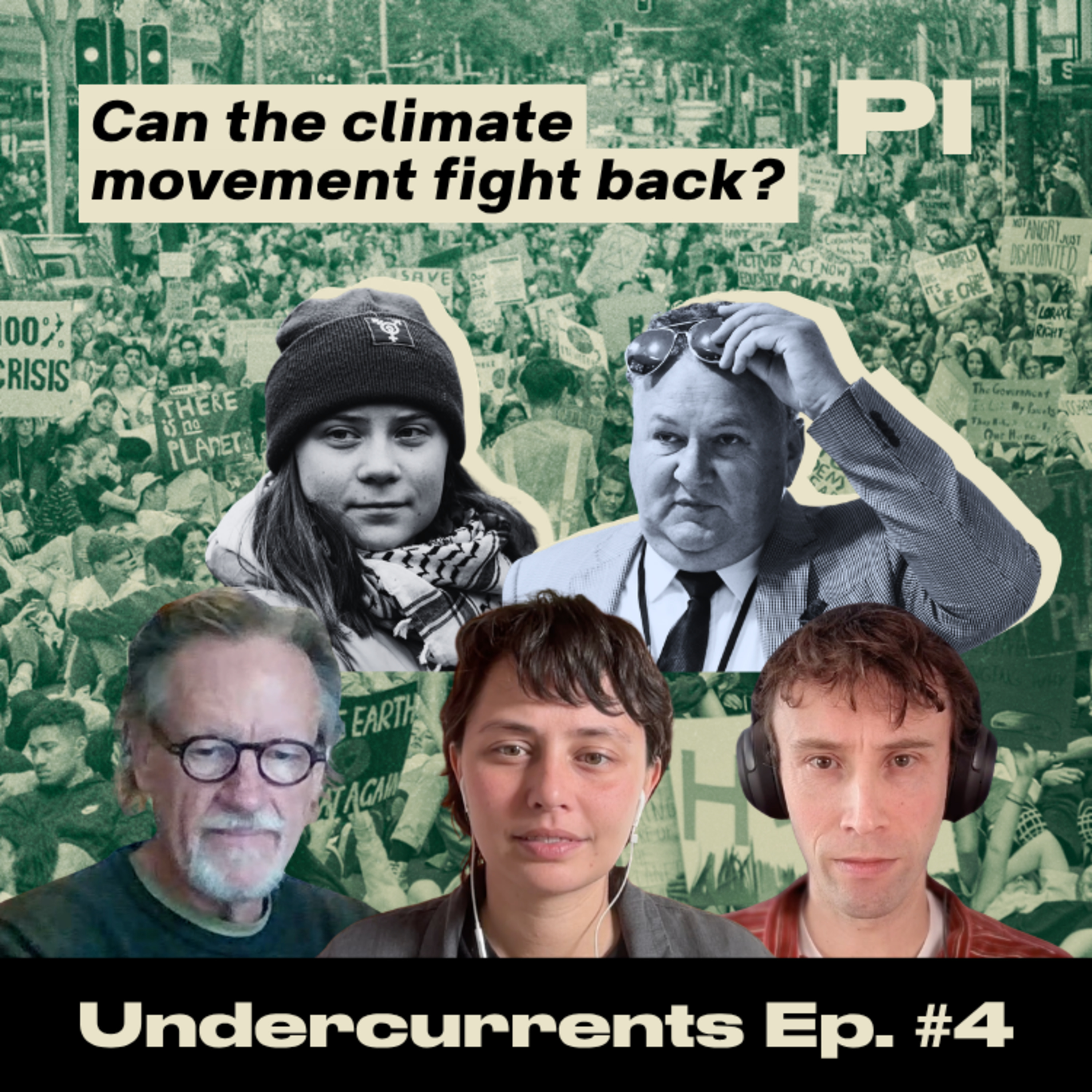
Undercurrents: Can the climate movement fight back?
For a moment in 2019, it felt like something was changing as millions around the world took to the streets demanding climate action. But seven years on, emissions continue to rise, fossil fuel expansion is back on the agenda, and a new authoritarian politics committed to extraction is gaining ground globally. So how do we build a climate movement capable not just of protesting collapse – but of wi
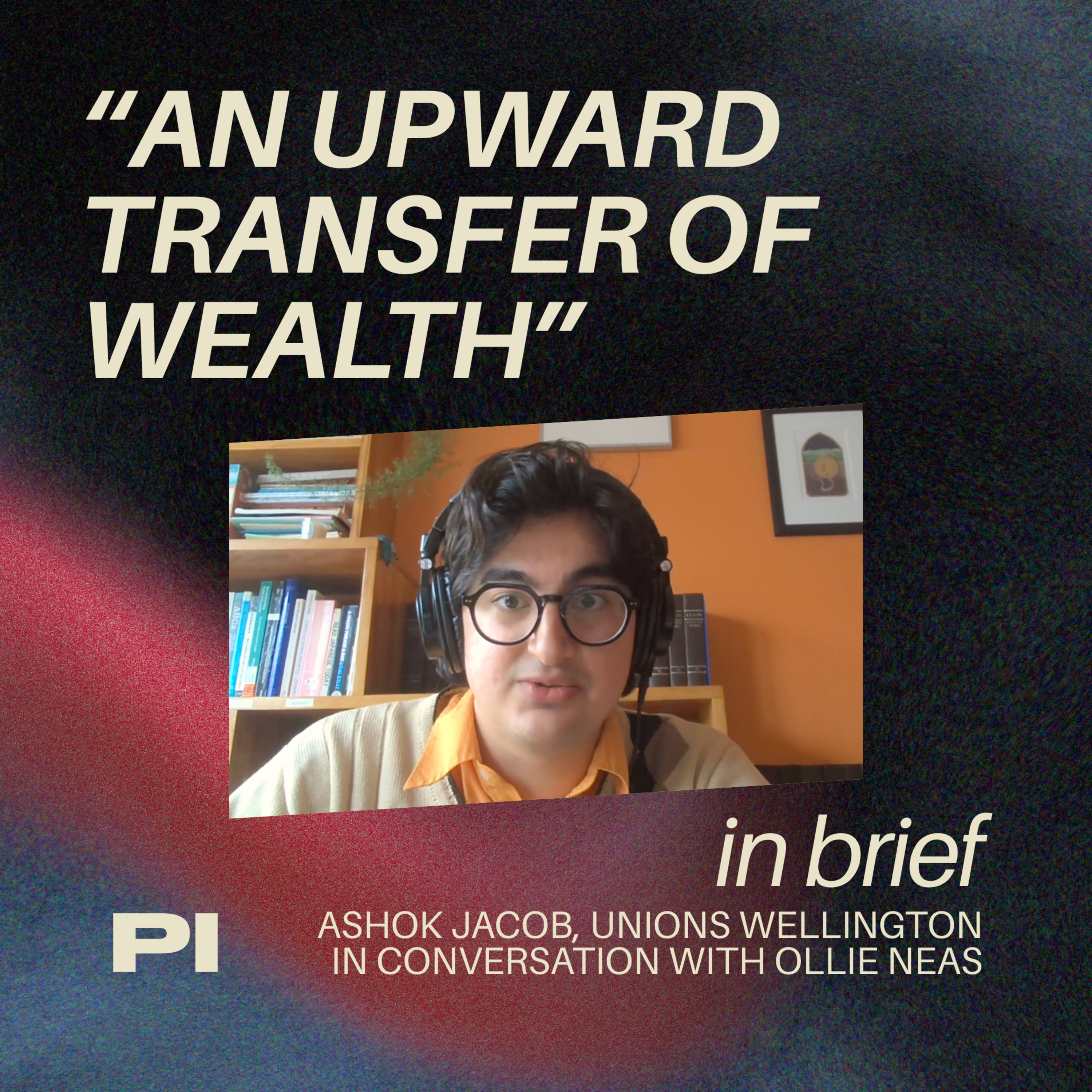
In Brief: Inside the fight over outsourcing in Wellington
Wellington’s councils are under immense pressure. Rates are rising, infrastructure is failing, and public trust in council delivery has been badly damaged by a string of high-profile controversies.But what if the problem isn’t that councils are doing too much, but that they’ve spent decades giving away the ability to do things themselves?In this interview, Public Interest speaks with Unions Wellin
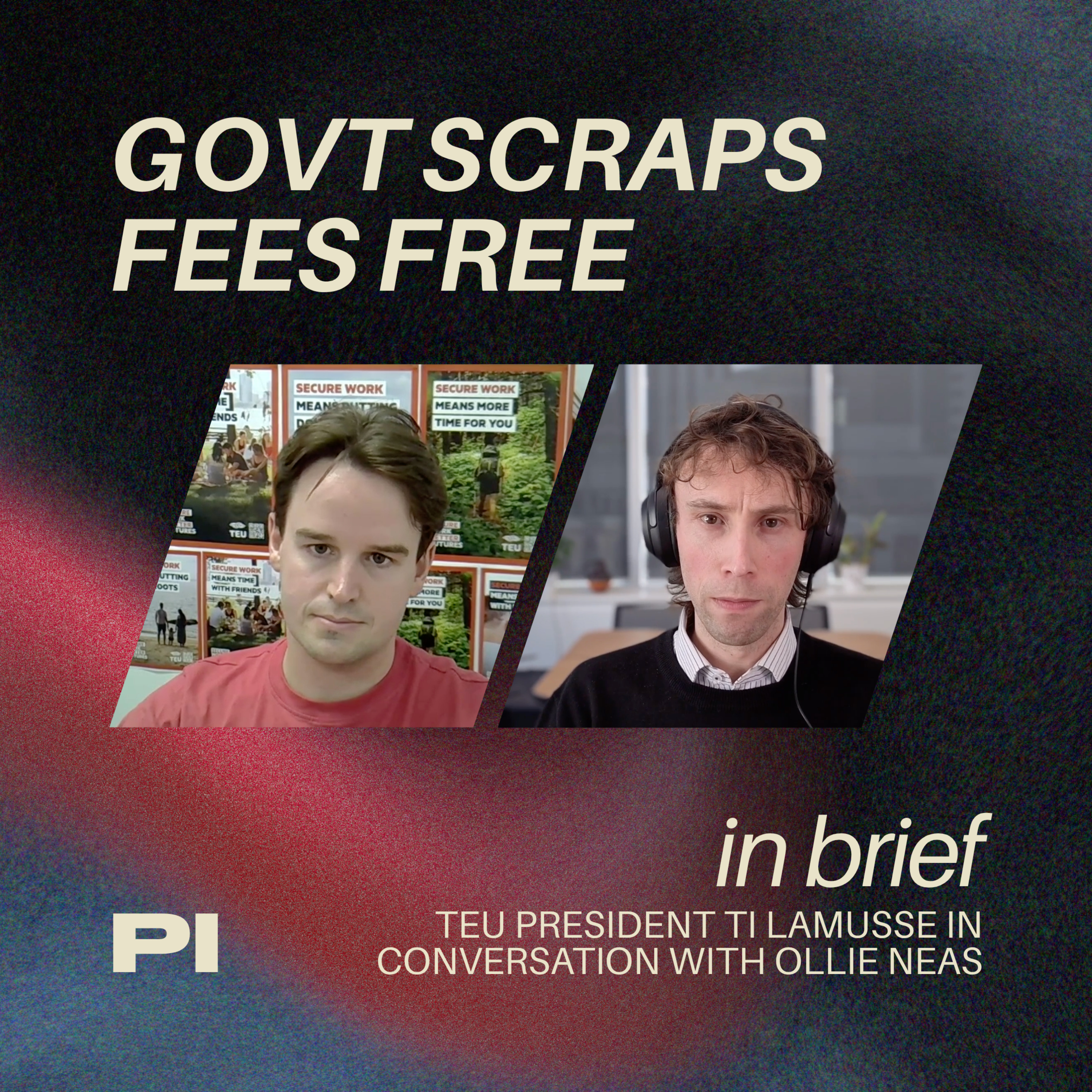
In Brief: What the end of fees-free means for NZ’s polytechs and unis
The coalition Government’s decision to scrap the fees-free tertiary education scheme has sparked a fierce debate about student debt, access to university, and the future of public education in New Zealand.In this interview, Public Interest speaks with Tertiary Education Union president Ti Lamusse about what the change means for students, and why he believes the controversy points to a much deeper
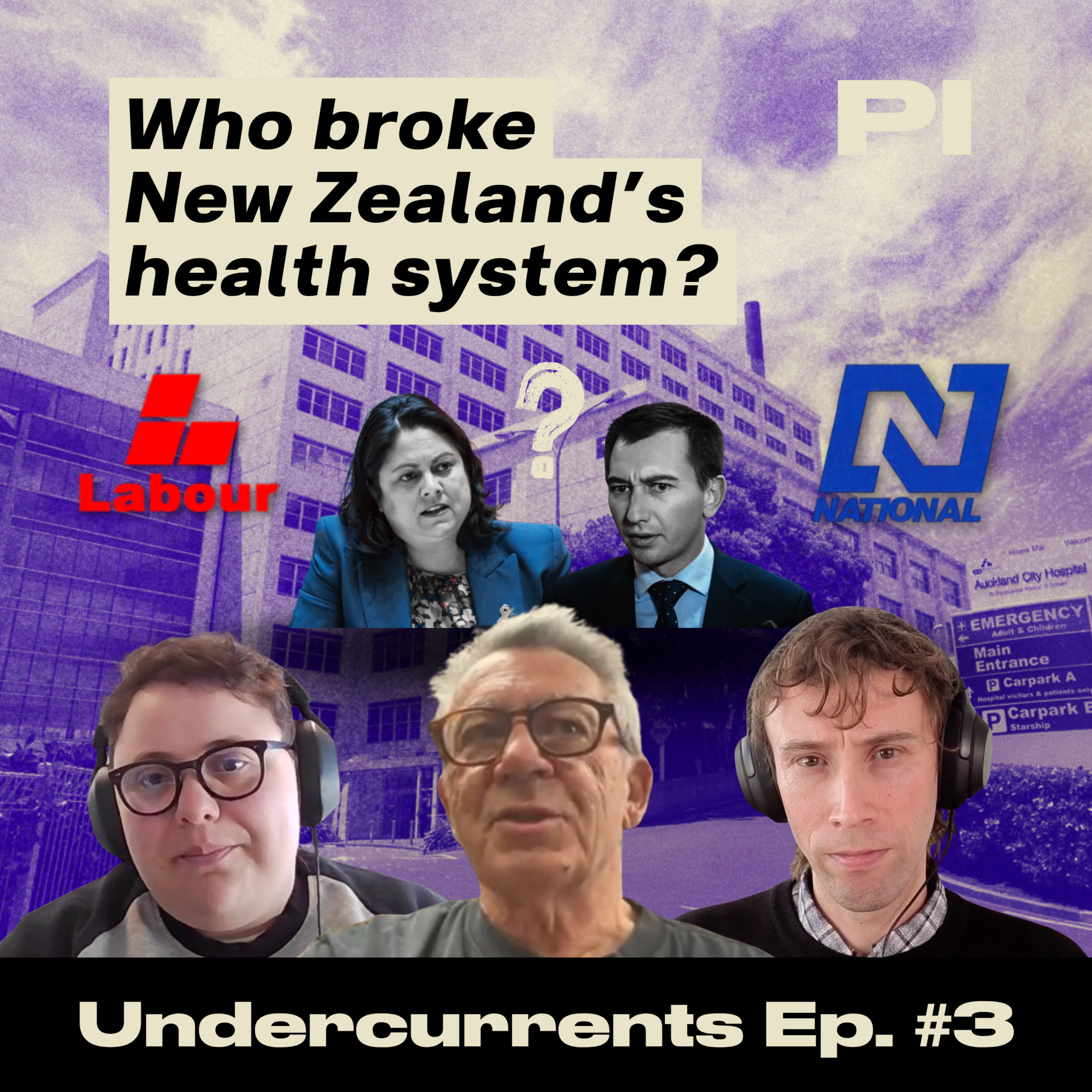
Undercurrents: Who broke NZ's health system? Rob Campbell and Justine Sachs talk with Ollie Neas
New Zealand's health system is supposed to be based on a simple idea: care based on need, not wealth. But today that model is under growing pressure as senior doctors warn of a "death spiral" – one that could leave NZ with a two-tier system, where wealth determines who gets treated and when. So who broke New Zealand’s healthcare system? What is replacing it? And who is fighting to save it? We unpa

Undercurrents: Who's to blame for the energy crisis?
It’s been two months since the US and Israel launched their war on Iran, triggering an Iranian retaliation which has resulted in the blockade of the Strait of Hormuz, sending global oil prices through the roof. Here in New Zealand, fuel prices are smashing records amid an already brutal cost of living crisis. But this crisis didn’t come out of nowhere. How did we get here? Who’s to blame? And what
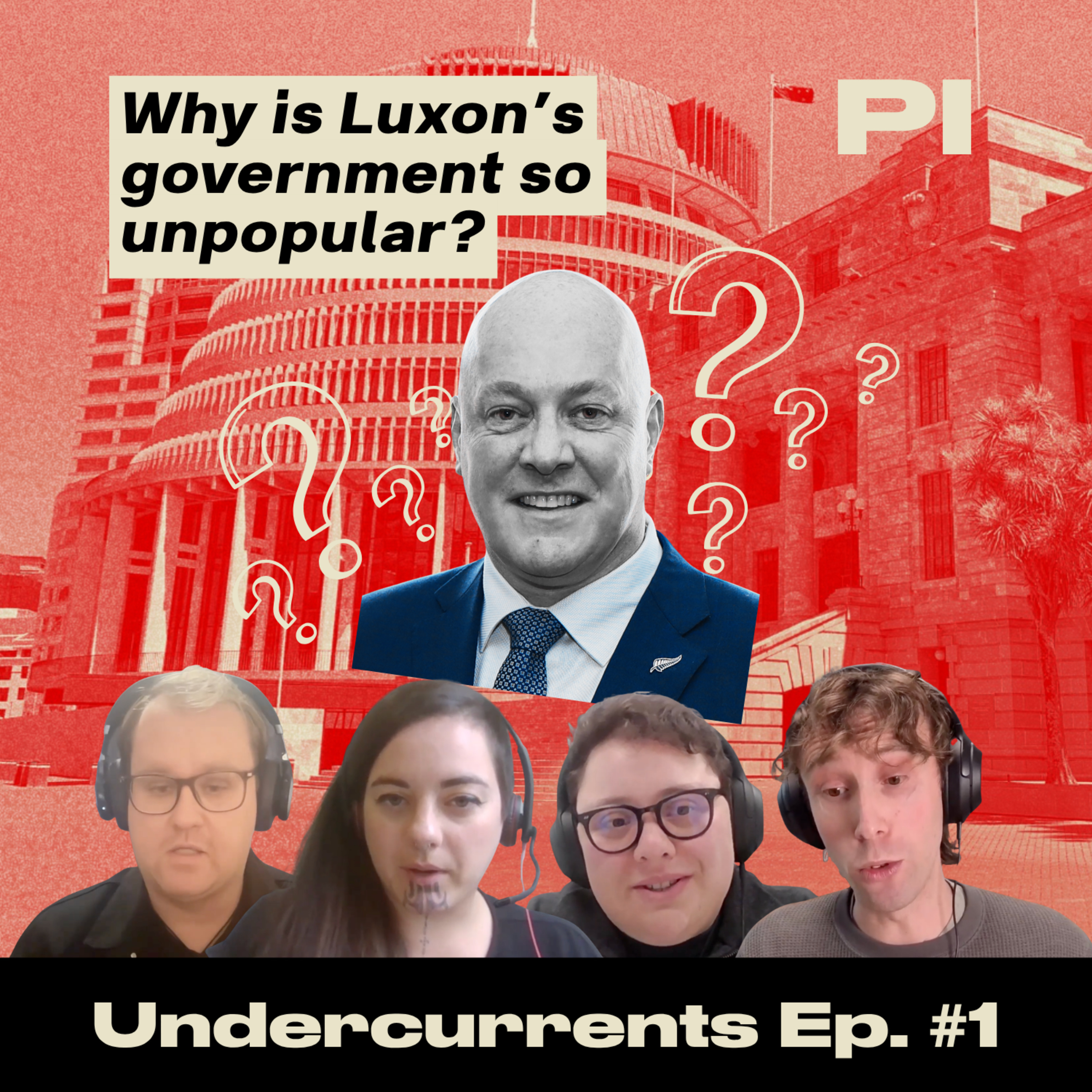
Undercurrents: Why is Luxon's government so unpopular?
Never before in New Zealand history has there been a one-term National government. But this year might be different. If the opinion polls are to be believed, the National-Act-NZ First coalition government led by Christopher Luxon could be headed toward what would be a historic loss at the general election in November.So, what’s really going on here? Why is the government so unpopular? And what doe