
No Such Thing as Normal
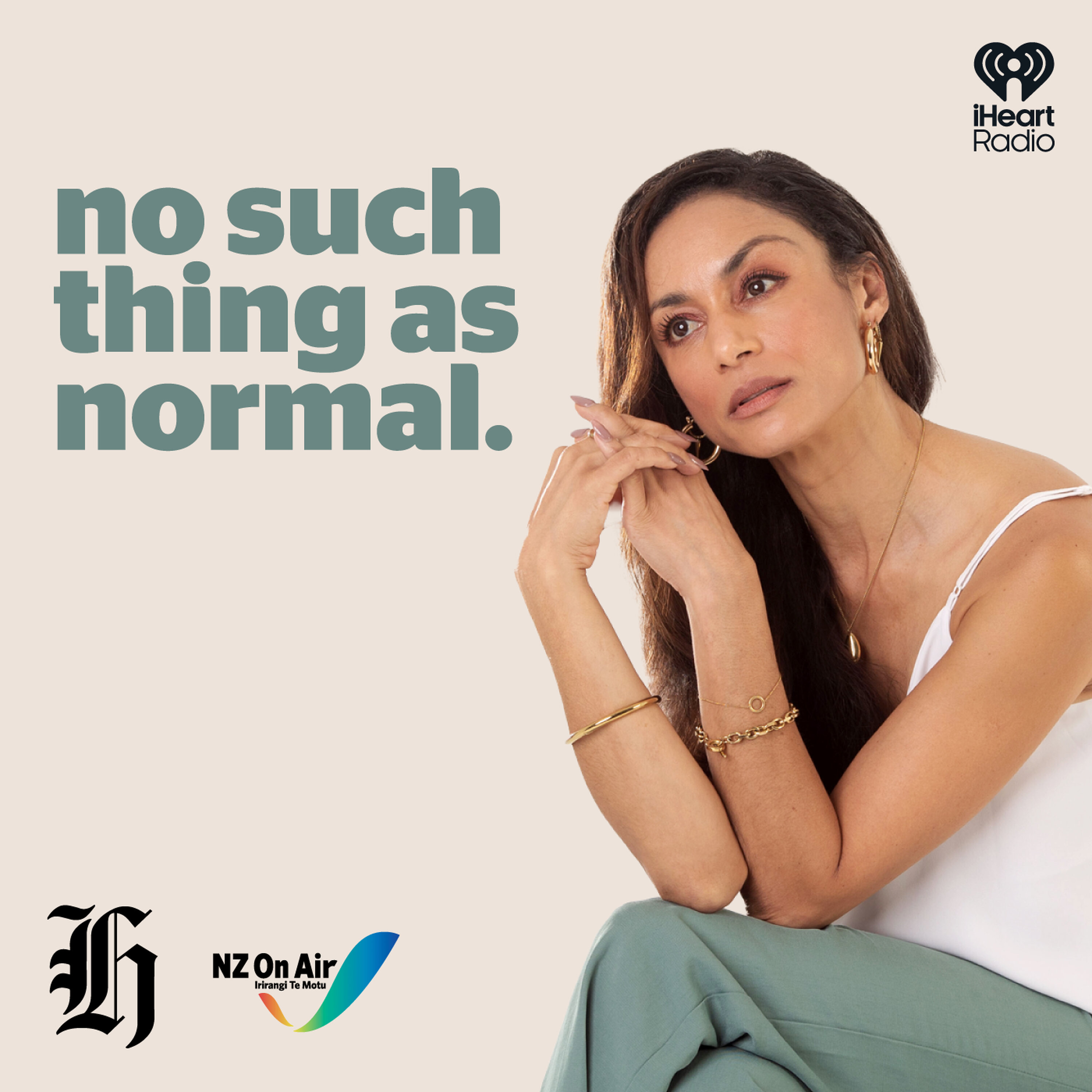
At least 20% of New Zealanders are believed to be neurodivergent, but there is very little awareness, understanding and support for people with conditions such as ADHD, Autism and Dyslexia. Sonia Gray has a neurodivergent daughter and is an ADHDer herself. In this 10-part series she’ll talk to dozens of experts and people with a lived-experience of neurodiversity to better understand how we can support and celebrate those whose brains are wired differently. No Such Thing as Normal is brought to you by NZ Herald and Team Uniform, with support from NZ on Air.
Episodes
35. Neurodiversity in Aotearoa: How are we doing?
In the past decade, neurodivergence has become far more visible in Aotearoa. But awareness is not the whole story - the real question is whether neurodivergent people and their whānau feel truly seen and understood. There will always be gaps in services, funding and support. But not every change depends on a budget. Some begin with how we see neurodivergent people, how we listen to them, and wheth
34. Mental health, medication and neurodivergent burnout
Anxiety, depression, chronic stress and low self-esteem are common co-occurring conditions for many neurodivergent young people. But are these struggles caused by neurodivergence itself, or by trying to fit into environments that don’t work for them? Child and adolescent psychiatrist Darryl-Lee Prince says not only is she seeing more school refusal and shutdown, but also more complex present
33. What can science tell us about neurodivergent brains?
If you - or your child - is neurodivergent, it can often feel like the world doesn’t always take you seriously. The challenges might be huge, but they’re largely invisible, and often unpredictable. So life can become a cycle of apologies and explanations. But advances in science are beginning to change this. In this episode we look at some of the important research happening here
32. ADHD and Perimenopause: The Perfect Storm
For many women, perimenopause brings more than just hot flushes. The impact on their cognition and mood is so extreme it feels like the chair has been pulled out from under them. Strategies that once held everything together stop working. Anxiety spikes, brain fog sets in, and confidence takes a hit. In this episode, Dr Rachael Sumner discusses why hormonal changes can hit ADHD brains harder
31. Gender diversity & neurodiversity: Understanding the intersection
Neurodivergent young people are more likely to question their gender identity, and it can be a confusing and confronting time. Not just for the individual, but also for their loved ones. The support and validation of families is vital, but many feel unprepared; struggling to even navigate things like the role of pronouns. This episode gives some insight into the unique way a number of autist
30. Neurodiversity at work: why traditional workplaces fail ‘different thinkers’
Why do so many neurodivergent people struggle in the workplace; even when they are highly capable? In this episode, Sonia speaks to workplace strategist Rich Rowley about why modern workplaces value one narrow style of thinking, and how that can leave ADHD, autistic and dyslexic employees exhausted, ashamed and underperforming. Rich argues neurodivergent people are not simply workers who need acco
29. Is there real hope for Obsessive Compulsive Disorder?
Isabella* is just 22, but she’d been living with severe contamination OCD for eight years. It had taken over her life - touching people, objects, even parts of her own home, felt dangerous. Every interaction came with a cost: hours of cleaning, sanitising and rituals. In this episode we follow Isabella’s story. From a life ruled by OCD to her experience with a revolutionary therapy: th
28. Why ADHD still feels so hard - even when you understand it
ADHD is being talked about more than ever. But for many, life still feels harder than it should. Even with a diagnosis there can be a lingering sense of “Why is life still so difficult?” In this episode, Sonia speaks with ADHD coach Alex Campbell, to find out what we’re missing. Alex says ADHD brains are motivated by interest, not importance. But the world expects the oppos
27. Strengths-based education (Part 2): What happens when we build around strengths?
In this episode, Sonia Gray speaks with 12-year-old Benjamin, whose extraordinary creativity sits alongside the challenges of dyslexia. His mother, Gretchen, reflects on the hidden effort behind his learning, and what changed when his strengths were recognised and understood. Dyslexia advocate Dean Bragonier returns, making the case that strengths-based education is not just better for individuals
26. Strengths-based education (Part 1): Unlocking the gifts
For many dyslexic children, school is where self-doubt begins. Literacy and numeracy sit at the centre of how ability is measured, so it doesn’t take long for kids who struggle in these areas to absorb the message that something is wrong with them. And this extends beyond dyslexia. Many neurodivergent learners - including those with ADHD and autism - have strengths that sit outside the narro
25. Sensory overload: What your child is trying to tell you
Parenting a child with ADHD, autism, Oppositional Defiant Disorder (ODD), Pervasive Demand Avoidance (PDA) or sensory challenges can feel unpredictable. One day everything is fine. The next day it isn’t. Food they ate yesterday is suddenly rejected. A fun outing becomes overwhelming. And sometimes it all ends in a meltdown. Perhaps your child doesn’t have a diagnosis, but it&rsquo
24. ADHD medication - Is it safe? Is it effective?
ADHD stimulant medication use is rising in New Zealand, but questions about safety and side effects remain - as does the stigma surrounding these meds. In the first episode of Season three, Sonia Gray explores what ADHD medication actually does - and what it doesn’t. You’ll hear 11-year-old Tilly take her morning pill and describe, in real time, how it changes the way she feels. Sonia
23. The mystery of Tourette’s syndrome
We all know what Tourette’s is - or we think we do. But this is a condition that is largely misunderstood and routinely misrepresented. Only around 10% of those with Tourette’s syndrome have the ‘swearing tic’ - coprolalia. But the other vocal and motor tics can be just as debilitating. In this episode, Sonia speaks to Tiktok sensation, Leighton Clarke - aka Uncle Tics. He now embraces his Toure
22. The Spiral of Shame
A diagnosis of ADHD, autism or dyslexia is merely an indication that your brain works in a different - and exciting - way. So why are the rates of co-occurring anxiety and depression so high for neurodivergent people? In this episode, Sonia talks to 16-year-old Emily Martin, who has ADHD, dyslexia and dyscalculia. Emily suffered from intense anxiety and low self-esteem throughout her primary sc
21. What is Dyspraxia?
Dyspraxia (or Developmental Coordination Disorder) is more than just a difficulty tying shoelaces or riding a bike. It impacts almost every aspect of life, and the effort to carry out basic tasks can be exhausting. Sonia talks to Bayley Garnham, a 24 year old Personal Trainer, who has dyspraxia and dysgraphia. Dyspraxic kids often give up on sports early, but Bayley wants to change that. He beli
20. The Shaming and Blaming of Parents
The parents of kids with neurodifferences face multiple challenges. But while navigating a broken system is exhausting, the constant scrutiny of your parenting can be worse. In this episode, Sonia talks to TVNZ’s 1News at 6 presenter, Melissa Stokes and Newstalk ZB Host, Francesca Rudkin about advocating for their children. And researcher Willow Sainsbury, explains why the go-to suggestion of ‘par
19. A PhD in Parenting - raising a neurodivergent child
Parenting a neurodivergent child is wonderful, but it’s challenging. Often, it can feel like the only people who understand are other parents on the same road. In this episode, Sonia talks to Francesca Rudkin, who had to navigate life with a daughter in crisis, before ADHD was identified. We meet members of the ‘Dad’s Autism Support Group’ in Auckland who all have kid
18. The Fork In The Road
The rates of ADHD and dyslexia in prisons is staggering. But these same neurotypes are also more likely to be successful CEO’s and entrepreneurs. So where is the fork in the road? What leads someone down the wrong path? Sonia Gray talks to Ricky Wakelin, a kind and gentle father-of-two. In the early 2000’s Ricky’s life had spiralled out of control. He was addicted to hard drugs and was eventuall
17. Autism - inside the non-speaking world
It’s very difficult to get by in society when you don’t use words to communicate. Non-speaking autistic people tend to be invisible, unless they are ‘causing a problem’. Olympic rower Eric Murray is father to 12 year-old Zac, who is autistic and ADHD. He talks to Sonia Gray about the challenges, the joys and the desperate need for support and understanding. Guests: Eric MurrayAnna Middleton -
16. Autism - Removing the Mask
Many autistic people have spent their lives masking, but it’s an exhausting and inauthentic way to live. Now, as understanding around neurodivergence grows, many autistics are choosing to ‘unmask’ and embrace their differences. Autistic comedian Abby Howells has found success as her authentic, ‘unmasked’ self on stage. The things she used to hate about herself are now working for her. And she wan
15. Dyslexia - A 'specialisation', not a disorder
In this episode Sonia Gray finds out how vital people with dyslexia are to the survival of the human race - they're the explorers, creative thinkers and problem solvers.She talks to poet and playwright, Dominic Hoey, who has written award-winning books, despite his reading challenges. And dyslexic researcher and champion, Dr Ruth Gibbons, talks about the importance of movement for dyslexics. GUE
14. Dyslexia - Are we getting it all wrong?
Dyslexia has long been thought of as that thing that makes it hard to read - and people are often made to feel dumb because of it.But we're learning more and more that reading and writing isn't really an issue. In fact some dyslexics read brilliantly - before they even start school - it's just once they're in the classroom they're lost and left behind in a curriculum that doesn't work for them. In
13. AuDHD - When Autism meets ADHD
WARNING: This episode does contain explicit language Autism and ADHD were always thought of as mutually exclusive conditions, but in recent years it’s become possible to get a diagnosis of both. Now, more and more people are recognising they have traits of both autism and ADHD, commonly known as ‘AuDHD’. But because of the opposing nature of these neurotypes, ‘AuDHD’ can feel like an internal ‘
12. Adult ADHD - Is it more than just always losing your keys?
WARNING: This episode does contain explicit language There’s been a sharp rise in the number of adults seeking ADHD assessments, and for many a diagnosis can be the answer to a lifetime of struggle. Musician Anika Moa was diagnosed with ADHD a few years ago. She tells Sonia Gray about the mental health battles she’s endured, and the positive changes a diagnosis has made to her life. And ADHD coa
11. Sensory Challenges - when you feel too much
The whirr of an air conditioner; the feeling of socks on your feet; the sound of other people breathing: Sensory challenges are arbitrary, but they can cause acute distress. In this episode, host Sonia Gray talks to three guests who experience the world in BOLD And Sensory Integration Specialist, Elen Nathan, unpacks what’s happening in the eight sensory systems, and how we can best support thos
10. A Broader Definition of Normal
OCD is largely thought of as an aversion to germs and excessive hand washing, but it’s far more complicated than that. Obsessive thoughts can be around almost anything, and the compulsive behaviour that accompanies it can be debilitating for the individual and their whānau. Up to 80 000 New Zealanders live with OCD but less than 10% have sought treatment. In this final episode of the series, Son
9. Rethinking Dyslexia
Dyslexia is still thought of a problem with reading and writing but that’s just a small part of the picture; those who are dyslexic experience the world in a completely different way. This episode looks at some of the lesser-known dyslexic characteristics, the best ways to support dyslexic learners and we look at how ‘shame’ is such a huge issue for those who learn differently. Documentary: Unl
8. The Mechanics of a Meltdown
Neurodivergent people respond to the environment in unique ways. Occasionally, if their nervous systems are overwhelmed, the body responds by going into a meltdown. Sensory overload, communication challenges and sensitivity to demands can all contribute to this temporary loss of control of behaviour. We’re often quick to judge the behaviour we’re seeing, but this is just the tip of the iceberg. I
7. How ADHD hides in women and girls
Although we think of ADHD as being a mostly male condition, it is just as prevalent in females. However, the diagnosis rates tell a different story - females are less than half as likely to be identified as having this neurological condition. Women tend to be better at suppressing and internalising their emotions. But things like Rejection Sensitivity Disorder, intolerance to boredom, poor execu
6. Education (Part 2)
In this episode we continue looking at whether our education system is meeting the needs of neurodivergent children. We ask: What are the supports and accommodations available? Do you need an official diagnosis of dyslexia to qualify for a reader/writer? And why are stand downs and exclusions so common for kids who are autistic or ADHD? Facebook: Kids Wired Differently Guests: Rachel King and
5. Education (Part 1)
In Aotearoa, we pride ourselves on our inclusive education system. But is that really the experience for kids who are Autistic, ADHD, Dyslexic or Gifted? Over two episodes we ask: Is our education system really meeting the needs of neurodivergent children, their families and the teachers that support them? Sonia talks to students, parents and specialist teachers about their experiences in the e
4. Beyond the Diagnosis
There is growing awareness and acceptance of neurodivergent profiles like ADHD, autism and dyslexia. But even with a diagnosis, accommodations and support, the world can be an unfriendly place for people whose brains are wired differently. Sonia chats to her guests about the importance of belonging, what ‘bad behaviour’ is really telling us and asks, “does ‘normal’ really exist?” Guests: Jock M
3. Diagnosis.... Or Discovery?
Getting a diagnosis is complicated, and not just because of the long waiting lists. There is so much to consider: Do you want your child – or yourself - to have a label? How will friends and family members react? Is the diagnosis the right one? The process is made more difficult because it’s not an exact science - there is no blood test or scan for ADHD, autism, dyslexia, or any of the other di
2. Navigating the System
Trying to navigate the health and education systems is one of the biggest challenges for parents of neurodivergent kids. Where do you start? And where do you go next? We know that early intervention, particularly for Autism and Dyslexia, gives the best chance of a positive outcome. But getting the right support isn’t easy - particularly as parents often don’t know what they are looking for. Sonia
1. Different not Disordered
There are 8 billion brains in the world...and they are 8 billion unique brains. We’re all different. So why are neurodivergent conditions (like Autism, ADHD, Dyslexia and Dyspraxia) referred to as disorders? Are they really disorders? Or just different variations of normal? Sonia chats to her guests about the value of neurodiversity, the strengths of unique brains and the challenge of trying to
Trailer
No Such Thing as Normal launches June 10th. See omnystudio.com/listener for privacy information.


